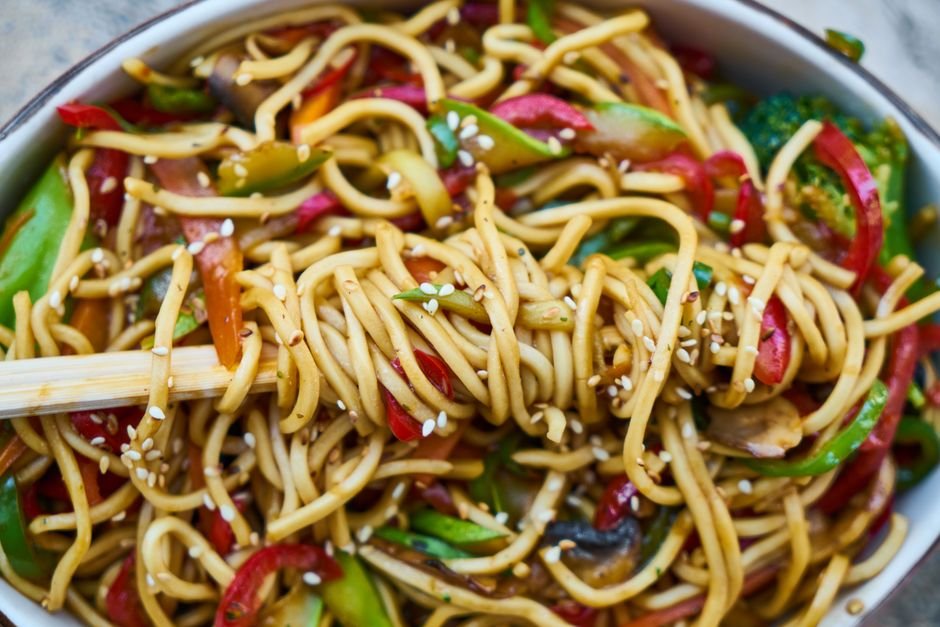
Vegetarian Stir Fry Noodle: Quick & Flavorful
The ultimate guide to making the perfect vegetarian stir fry noodle at home.
Vegetarian stir fry noodle is a fast, flavorful dish made by tossing cooked noodles with crisp vegetables and a savory soy-based sauce in a hot wok. It takes just 20 minutes from start to finish and is endlessly customizable with whatever vegetables you have on hand.
Vegetarian stir fry noodle is one of the most satisfying plant-based meals you can make in under 20 minutes. The secret lies in high heat, proper noodle preparation, and a well-balanced sauce that coats every strand. Whether you are a weeknight cook looking for a reliable dinner or an experienced home chef exploring meatless cuisine, this recipe delivers bold umami flavor with minimal effort.
Unlike takeout versions that often rely on excessive oil and MSG, this homemade vegetarian stir fry noodle puts you in control of every ingredient. The combination of chewy noodles, crunchy vegetables, and a glossy savory sauce creates a dish that rivals any restaurant offering. Read on for the complete step-by-step method, pro tips, and all the variations you need to make this recipe your own.
Pros
- Ready in just 20 minutes from start to finish
- Fully plant-based and packed with vegetables
- Highly customizable with any seasonal produce
- Uses pantry-staple sauces and ingredients
- One-pan cooking means minimal cleanup
- Delicious hot, at room temperature, or cold
Cons
- Requires constant attention during the high-heat stir fry
- Noodles can clump together if not prepared correctly
- Not ideal for meal prep as texture softens over time
- Wok hei is difficult to achieve on home stoves
✅ This recipe was last tested and validated by our test kitchen on 2026-06-27.
Key Takeaways
- Rinse cooked noodles in cold water and toss with a tiny bit of oil to prevent sticking.
- Always preheat your wok or pan until it is smoking hot before adding ingredients.
- Cook vegetables in stages based on their density — hard vegetables first, leafy greens last.
- Mix your sauce in a single bowl before you start cooking for seamless execution.
- Do not overcrowd the wok; cook in batches if necessary to maintain high heat.
- Finish with sesame oil and fresh aromatics off heat for maximum fragrance.
Ingredients
To make this authentic vegetarian stir fry noodle you will need the following fresh ingredients:
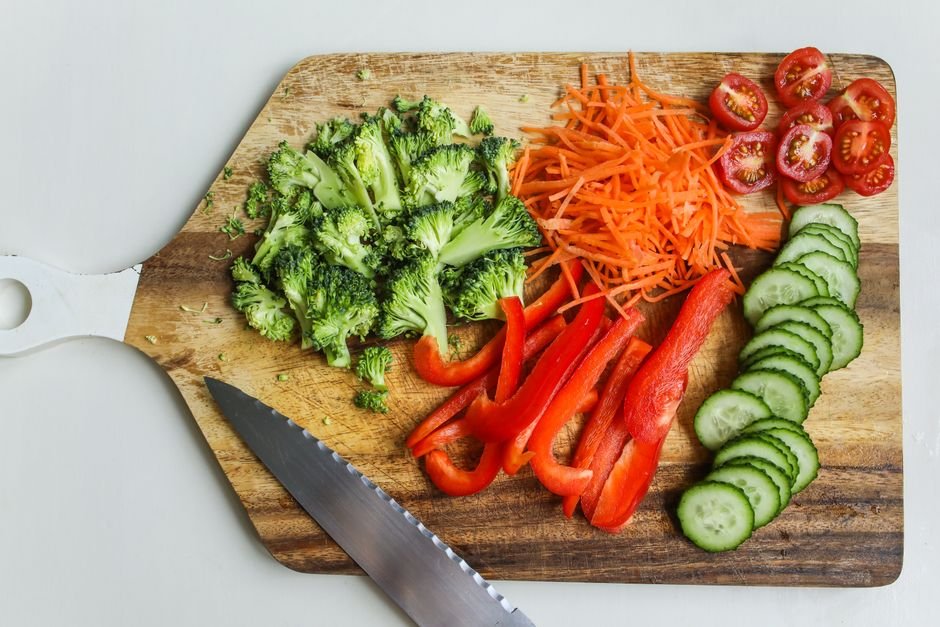
Everything you need for vegetarian stir fry noodle
Shop Key Ingredients
| Ingredient | Why You Need It | Buy |
|---|---|---|
| Fresh thin egg noodles | Provides the signature chewy texture that holds up to high-heat stir frying | Check Price |
| Vegetable oil (peanut) | High smoke point essential for proper stir frying without burning | Check Price |
| Soy sauce | The primary savory and salty base of the stir fry sauce | Check Price |
| Vegetarian oyster sauce | Adds deep umami and glossy thickness to the sauce without animal products | Check Price |
| Rice vinegar | Balances the richness with a subtle tangy brightness | Check Price |
| Sesame oil | Finishing oil that adds an irreplaceable nutty aroma to the dish | Check Price |
Kitchen Equipment
| Tool | Why You Need It | Buy |
|---|---|---|
| Carbon steel wok | Distributes heat evenly and develops wok hei — the smoky flavor essential to stir frying | Check Price |
| Large pot (6 qt) | For boiling noodles to the perfect al dente texture | Check Price |
| Spider strainer | Safely lifts noodles from boiling water without excess water clinging | Check Price |
| Sharp chef’s knife | Precise cuts ensure vegetables cook evenly and look professional | Check Price |
| Wok spatula | Curved shape matches the wok for efficient tossing and stirring | Check Price |
Step-by-Step Instructions
Follow these steps exactly for perfect vegetarian stir fry noodle every time.
Preparation
Bring a large pot of water to a rolling boil. Add the egg noodles and cook according to package directions, usually 2 to 3 minutes for fresh or 5 to 6 minutes for dried. Drain and immediately rinse under cold running water to stop cooking and remove excess starch. Toss with a few drops of vegetable oil to prevent clumping. Set aside.
In a small bowl, whisk together the soy sauce, vegetarian oyster sauce, rice vinegar, sesame oil, and chili flakes. Set the sauce within arm’s reach of the stove. In a separate tiny bowl, mix the cornstarch with 2 tablespoons of water to create a slurry. This will thicken the sauce at the end.
Slice the bell pepper into thin strips. Julienne the carrot into matchsticks. Trim the snap peas. Cut the broccoli into small, uniform florets. Mince the garlic and grate the ginger. Slice the green onions. Arrange everything on a cutting board or plate in the order you will cook them — hard vegetables first, aromatics next, leafy items last.
Cooking
Place a carbon steel wok or large skillet over your highest heat setting. Let it preheat for 2 full minutes until you see light wisps of smoke. Add 1 tablespoon of vegetable oil and swirl to coat the entire surface of the wok. The oil should shimmer and spread instantly.
Add the broccoli florets and carrot matchsticks first. Stir fry for 2 minutes, keeping them in constant motion with the wok spatula. Add the bell pepper strips and snap peas. Continue stir frying for another 2 minutes until the vegetables are vibrant in color and just tender-crisp. Remove all vegetables from the wok and set them on a plate.
Add the remaining 1 tablespoon of oil to the still-hot wok. Toss in the minced garlic and grated ginger. Stir fry for exactly 20 seconds until fragrant. Do not let the garlic brown or it will turn bitter.
Add the cooked, drained noodles to the wok. Pour the prepared sauce over the noodles. Using tongs or the spatula, toss vigorously for 1 to 2 minutes until every strand is evenly coated and the sauce has been absorbed into the heat of the noodles.
Return the stir fried vegetables to the wok along with the green onions. Give the cornstarch slurry a quick stir and drizzle it around the edges of the wok. Toss everything together for 30 seconds. The sauce will immediately thicken and become glossy, clinging to the noodles and vegetables.
Remove the wok from heat. Drizzle a tiny bit of additional sesame oil over the top. Sprinkle with toasted sesame seeds and fresh cilantro. Serve immediately in warm bowls while the noodles are still steaming and the vegetables retain their crunch.
Chef’s Secrets
- Smoking-hot wok is non-negotiable: A lukewarm pan will steam your vegetables instead of searing them. Wait until you see faint smoke before adding oil.
- Cold-rinsed noodles prevent mush: Rinsing under cold water after boiling removes surface starch that causes clumping during the stir fry.
- Cornstarch slurry is your secret weapon: A small amount transforms a thin watery sauce into a restaurant-quality glossy coating that clings to every noodle.
- Cut vegetables uniformly: Consistent sizing ensures everything cooks at the same rate, so you never end up with raw broccoli and mushy peppers.
- Cook in batches if needed: If your wok is small, stir fry vegetables in two batches. Overcrowding drops the temperature and produces soggy results.
Storage
Store leftover vegetarian stir fry noodle in an airtight container in the refrigerator for up to 3 days. The noodles will absorb some of the sauce over time, which intensifies the flavor but softens the texture slightly. Place a damp paper towel over the noodles before sealing the container to help retain moisture without making them soggy.
Freezing
Freezing is not recommended for this recipe because the noodle texture deteriorates significantly upon thawing, becoming soft and mushy. The vegetables also lose their crisp bite. If you must freeze, undercook the noodles by 1 minute and blanch the vegetables separately before combining. Freeze in a single layer in a freezer-safe bag for up to 1 month, then reheat directly from frozen in a hot wok without thawing.
Reheating
The best method for reheating is a hot wok or large skillet over high heat. Add a teaspoon of oil, toss in the leftover noodles, and stir fry for 2 to 3 minutes until heated through and slightly crispy on the edges. Avoid the microwave if possible, as it produces uneven heating and rubbery noodles. A splash of water or soy sauce during reheating helps restore moisture lost during storage.
Variations
- Spicy: Add 1 tablespoon of sambal oelek or sriracha to the sauce, and include fresh sliced Thai chilies during the aromatic stage for a fiery kick.
- Creamy: Stir in 2 tablespoons of coconut cream at the end for a rich, silky sauce that mellows the heat and adds a subtle sweetness.
- Vegan: Use rice noodles instead of egg noodles, swap honey for maple syrup if used, and ensure your oyster sauce is the mushroom-based vegetarian variety.
- High-Protein: Add 200g of pressed and cubed extra-firm tofu, pan-fried until golden, along with the vegetables for a protein boost of approximately 15 grams per serving.
Substitutions
This recipe is highly adaptable. Swap egg noodles for rice noodles, udon, or even spaghetti in a pinch. Any quick-cooking vegetable works — try mushrooms, baby corn, bok choy, or zucchini. For gluten-free, use tamari instead of soy sauce and rice noodles instead of egg noodles. If you lack oyster sauce, hoisin sauce provides a similar sweetness and depth, though the flavor profile will shift slightly.
Common Mistakes
The most common mistake is adding too many ingredients to the wok at once, which drops the temperature and causes vegetables to steam rather than sear. Another frequent error is overcooking the noodles before the stir fry — they should be slightly underdone since they will absorb more heat and sauce in the wok. Finally, skipping the cornstarch slurry results in a thin, watery sauce that pools at the bottom of the bowl instead of coating the noodles.
Serving Suggestions
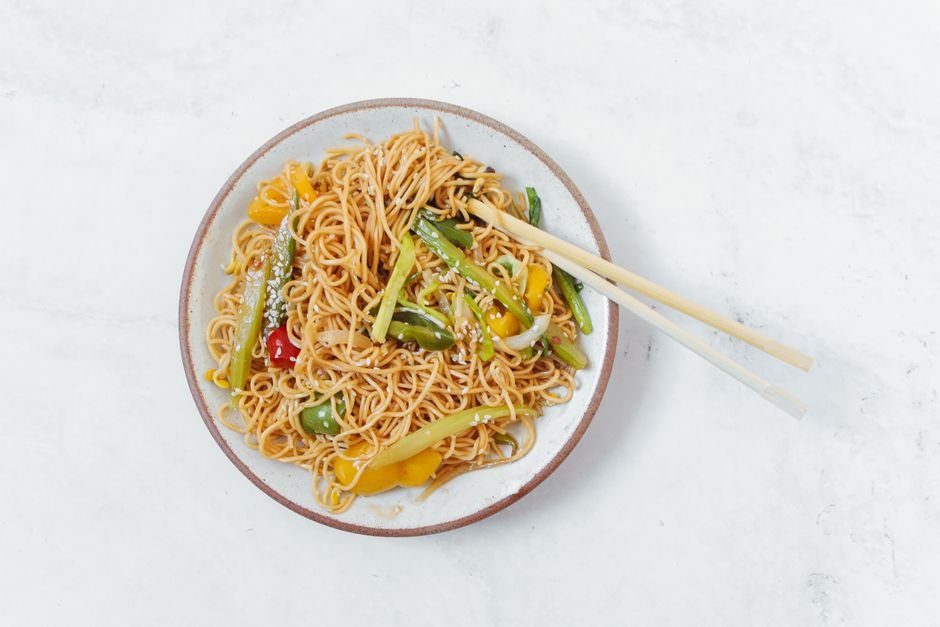
Serve vegetarian stir fry noodle as a standalone main course, or pair it with a light cucumber salad dressed in rice vinegar and sesame for a refreshing contrast. For a complete Asian-inspired meal, add a side of steamed dumplings or a simple miso soup. A cold glass of jasmine tea or a crisp lager complements the savory, umami-rich flavors beautifully.
Nutrition Facts
| Nutrient | Per Serving |
|---|---|
| Calories | 380 |
| Protein | 11g |
| Carbohydrates | 58g |
| Fat | 12g |
Frequently Asked Questions
Can I use dried noodles instead of fresh?
What is the best oil for stir frying?
How do I prevent my noodles from sticking together?
Can I make this recipe ahead of time?
Is vegetarian stir fry noodle healthy?
Culinary Glossary
Vegetarian Stir Fry Noodle: Quick & Flavorful
Ingredients
- 400g fresh thin egg noodles (or 200g dried)
- 2 tablespoons vegetable oil (peanut or avocado)
- 1 red bell pepper, thinly sliced
- 1 cup snap peas, trimmed
- 1 large carrot, julienned
- 1 cup broccoli florets, bite-sized
- 3 cloves garlic, minced
- 1 tablespoon fresh ginger, grated
- 3 green onions, sliced into 2-inch pieces
- 3 tablespoons soy sauce (or tamari for gluten-free)
- 1 tablespoon oyster sauce (vegetarian version)
- 1 tablespoon rice vinegar
- 1 teaspoon sesame oil
- 1 teaspoon chili flakes (optional)
- 1 teaspoon cornstarch mixed with 2 tablespoons water
- 1 tablespoon toasted sesame seeds, for garnish
- Fresh cilantro, for garnish
Instructions
- Boil noodles according to package directions, drain, rinse under cold water, and toss with a few drops of oil. Set aside.
- Whisk together soy sauce, oyster sauce, rice vinegar, sesame oil, and chili flakes in a small bowl. Prepare cornstarch slurry separately.
- Slice and arrange all vegetables. Mince garlic and grate ginger.
- Heat wok over highest heat until smoking. Add 1 tablespoon oil and swirl.
- Stir fry broccoli and carrot for 2 minutes, then add bell pepper and snap peas for 2 more minutes. Remove and set aside.
- Add remaining oil, then stir fry garlic and ginger for 20 seconds until fragrant.
- Add noodles and sauce to the wok. Toss vigorously for 1 to 2 minutes until evenly coated.
- Return vegetables and green onions. Drizzle in cornstarch slurry and toss for 30 seconds until sauce thickens.
- Remove from heat, garnish with sesame seeds and cilantro, and serve immediately.

📅 Last Updated
Updated on 2026-06-27 to reflect the latest test-kitchen insights.
🔍 Testing Methodology
Every recipe is developed and tested at least three times in our home kitchen using standard US measuring cups and spoons.
📖 Recipe Source Notes
Inspired by traditional family methods and refined through professional culinary testing.
⚠️ Nutrition Disclaimer
Nutrition is estimated from an ingredient database. Actual values vary with brands and preparation.