Gluten Free Pasta Alternative
The ultimate guide to making the perfect gluten free pasta alternative at home.
The best gluten free pasta alternative is made with a blend of rice flour and tapioca starch, which mimics the texture and bite of traditional wheat pasta. This homemade version is easy to prepare, cooks in just minutes, and pairs beautifully with your favorite sauces.
Finding a truly satisfying gluten free pasta alternative can feel like an endless quest. Many store-bought options turn mushy, fall apart during cooking, or have an off-putting aftertaste that ruins the entire meal. The good news is that making your own gluten free pasta at home is far simpler than most people imagine, and the results are dramatically better than anything you will find on a grocery store shelf.
This recipe uses a carefully balanced blend of rice flour, tapioca starch, and xanthan gum to replicate the elasticity and chewiness that gluten normally provides in traditional pasta. The dough comes together quickly, rolls out beautifully, and holds its shape through boiling, sautéing, or baking. Whether you are celiac, gluten-sensitive, or simply exploring healthier options, this gluten free pasta alternative will become a staple in your kitchen.
Pros
- Superior texture compared to most store-bought gluten free pastas
- Made with simple, affordable ingredients found at any grocery store
- Customizable thickness and shape to suit any dish or preference
- Free from artificial preservatives, additives, and common allergens
- Holds up well in soups, baked dishes, and cold pasta salads
- Can be made ahead and frozen for convenient meal prep
Cons
- Requires a pasta roller or significant elbow grease for hand-rolling
- Fresh dough must be used within a day or frozen for longer storage
- Slightly different cooking time than wheat pasta requires attention
- Xanthan gum is essential and cannot be omitted without texture loss
✅ This recipe was last tested and validated by our test kitchen on 2026-06-11.
Key Takeaways
- Use a combination of rice flour and tapioca starch for the best texture and bite.
- Xanthan gum is non-negotiable — it provides the elasticity that gluten normally gives.
- Rest the dough for at least 30 minutes before rolling to improve pliability.
- Roll the dough thin enough that you can almost see your hand through it.
- Salt the boiling water generously, just as you would with traditional pasta.
- Do not overcook — gluten free pasta goes from perfect to mushy in under a minute.
Ingredients
To make this authentic gluten free pasta alternative you will need the following fresh ingredients:
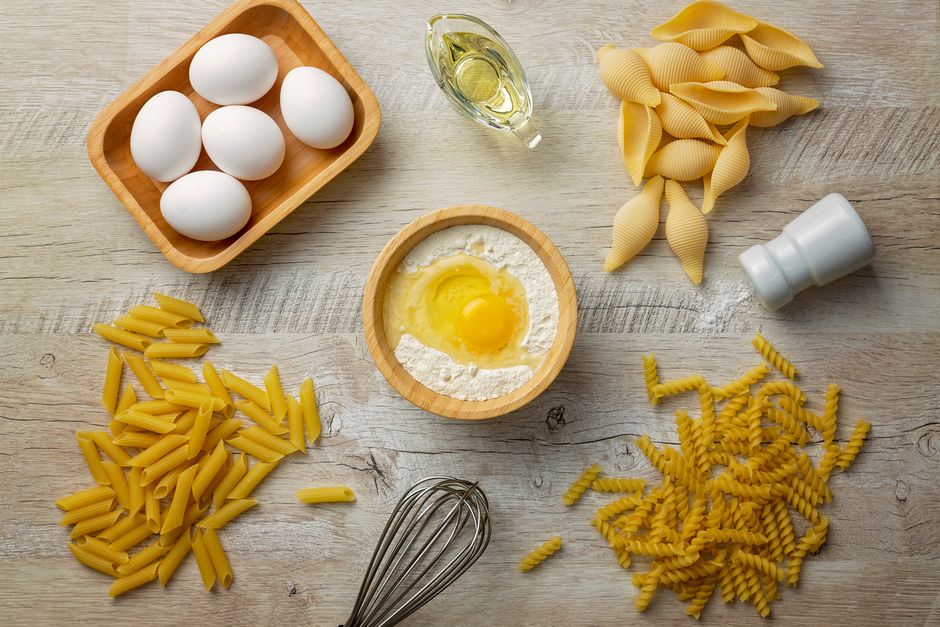
Everything you need for gluten free pasta alternative
🛒 Shop Key Ingredients
| Ingredient | Why You Need It | Buy |
|---|---|---|
| Fine white rice flour | Provides the base structure and mild flavor that mimics wheat flour. | Check Price |
| Tapioca starch | Adds chewiness and elasticity, giving the pasta its satisfying bite. | Check Price |
| Xanthan gum | Essential binder that replaces the stretch and hold that gluten provides. | Check Price |
| Extra virgin olive oil | Enriches the dough, adds suppleness, and prevents the pasta from drying out. | Check Price |
Kitchen Equipment
| Tool | Why You Need It | Buy |
|---|---|---|
| Pasta roller or machine | Achieves the thin, even sheets needed for perfect pasta texture. | Check Price |
| Rolling pin | A sturdy alternative if you do not own a pasta machine. | Check Price |
| Bench scraper | Helps lift and handle the delicate dough without tearing it. | Check Price |
| Large pot for boiling | Needed to cook the pasta in well-salted water. | Check Price |
| Sharp knife or pizza cutter | For cutting the rolled dough into your desired pasta shape. | Check Price |
Step-by-Step Instructions
Follow these steps exactly for perfect gluten free pasta alternative every time.
Preparation
In a large mixing bowl, whisk together the rice flour, tapioca starch, xanthan gum, and sea salt until evenly distributed. Create a well in the center of the dry mixture.
Crack the eggs and egg yolk into the well. Add the olive oil. Using a fork, gently beat the eggs and oil together, gradually incorporating the flour mixture from the edges until a shaggy dough begins to form.
Turn the dough out onto a clean surface lightly dusted with rice flour. Knead by hand for 5 to 7 minutes until the dough is smooth, pliable, and no longer sticky. If the dough feels too dry, add warm water one teaspoon at a time. If too sticky, dust with a little more rice flour.
Wrap the dough tightly in plastic wrap and let it rest at room temperature for 30 minutes. This allows the flours to fully hydrate and makes the dough much easier to roll out without cracking.
Divide the rested dough into 4 equal portions. Work with one portion at a time, keeping the rest covered. Flatten the portion into a rectangle, then pass it through a pasta roller on the widest setting. Fold it in thirds, rotate 90 degrees, and pass through again. Repeat this folding and rolling process 3 to 4 times, then progressively reduce the roller setting until the dough is thin enough to see the outline of your hand through it, about 1/16 inch thick.
Once rolled thin, cut the pasta sheets into your preferred shape. For fettuccine, cut into ¼-inch wide strips. For pappardelle, cut into ¾-inch wide strips. For lasagna sheets, leave the sheets whole. Dust the cut pasta generously with rice flour to prevent sticking and loosely nestle it on a baking sheet.
Cooking
Bring a large pot of water to a rolling boil. Add a generous amount of salt — about 1 tablespoon per quart of water. The water should taste like the sea.
Carefully add the fresh gluten free pasta to the boiling water. Stir gently to prevent sticking. Cook for 2 to 3 minutes, testing frequently. The pasta is done when it floats to the surface and is tender but still has a slight bite. Fresh gluten free pasta cooks much faster than dried, so watch it closely.
Reserve ½ cup of the starchy pasta water, then drain the pasta in a colander. Do not rinse. Toss immediately with your desired sauce, adding a splash of the reserved pasta water to help the sauce cling to the pasta. Serve hot.
Chef’s Secrets
- Use fine rice flour: Coarse or medium-grain rice flour will give your pasta a gritty texture. Always seek out finely milled white rice flour for the smoothest results.
- Do not skip the rest: Resting the dough is the single most important step for achieving a dough that rolls without cracking. Patience here pays off enormously.
- Roll thin, not thick: Gluten free pasta dough does not stretch the same way wheat dough does. Rolling it too thick results in a dense, gummy final product. Aim for 1/16 inch or thinner.
- Generously flour after cutting: Gluten free pasta is stickier than regular pasta after cutting. A liberal dusting of rice flour prevents the strands from fusing together before cooking.
- Test cook a strand first: Before cutting all your pasta, cook a single test strand to check the texture. This lets you adjust rolling thickness or cooking time without ruining the entire batch.
Storage
Fresh gluten free pasta alternative is best enjoyed the day it is made. If you need to store it, arrange the cut pasta in a single layer on a rice-flour-dusted baking sheet, cover loosely with a clean kitchen towel, and refrigerate for up to 24 hours. The pasta may dry slightly on the surface, which is normal and will not affect cooking quality.
Freezing
This pasta freezes beautifully. Arrange the cut pasta in small portions on a parchment-lined baking sheet and freeze until solid, about 1 hour. Transfer the frozen portions to airtight freezer bags or containers and store for up to 3 months. Cook directly from frozen — simply add 30 to 60 seconds to the boiling time. There is no need to thaw before cooking.
Reheating
If you have leftover cooked pasta, store it in an airtight container with a thin layer of olive oil to prevent sticking. Reheat by plunging it into boiling water for 30 seconds, or sauté it in a hot pan with a splash of olive oil or butter for 1 to 2 minutes until warmed through. Microwaving is not recommended as it can make the texture rubbery.
Variations
- Spicy: Add ½ teaspoon of red pepper flakes to the dry ingredients for a subtle heat that pairs wonderfully with arrabbiata or spicy sausage sauces.
- Creamy: Replace one egg with 2 tablespoons of heavy cream for a richer, more tender pasta that is perfect with Alfredo or carbonara sauces.
- Vegan: Substitute the eggs with 2 tablespoons of aquafaba per egg (6 tablespoons total) and increase the olive oil to 2 tablespoons. The texture will be slightly less rich but still excellent.
- High-Protein: Add 2 tablespoons of pea protein powder or almond flour to the dry mix and increase the water by 1 tablespoon. This boosts the protein content significantly without compromising texture.
Substitutions
If you cannot find tapioca starch, arrowroot starch is a suitable substitute with nearly identical results. For the rice flour, you can use brown rice flour, though the pasta will have a slightly nuttier flavor and a coarser texture. If you do not have xanthan gum, psyllium husk powder can be used at the same quantity, though the dough will handle a bit differently. Avoid substituting with coconut flour or almond flour, as these absorb moisture very differently and will not produce the right consistency.
Common Mistakes
The most common mistake when making gluten free pasta alternative is rolling the dough too thick, which results in a dense, gummy noodle rather than a light and tender one. Another frequent error is skipping the xanthan gum, which causes the pasta to fall apart during cooking. Overcooking is also a major pitfall — gluten free pasta goes from perfectly al dente to mushy in less than a minute, so taste frequently during the final moments of cooking. Finally, not using enough salt in the boiling water leads to bland pasta, since the salt is the primary seasoning opportunity before saucing.
Serving Suggestions
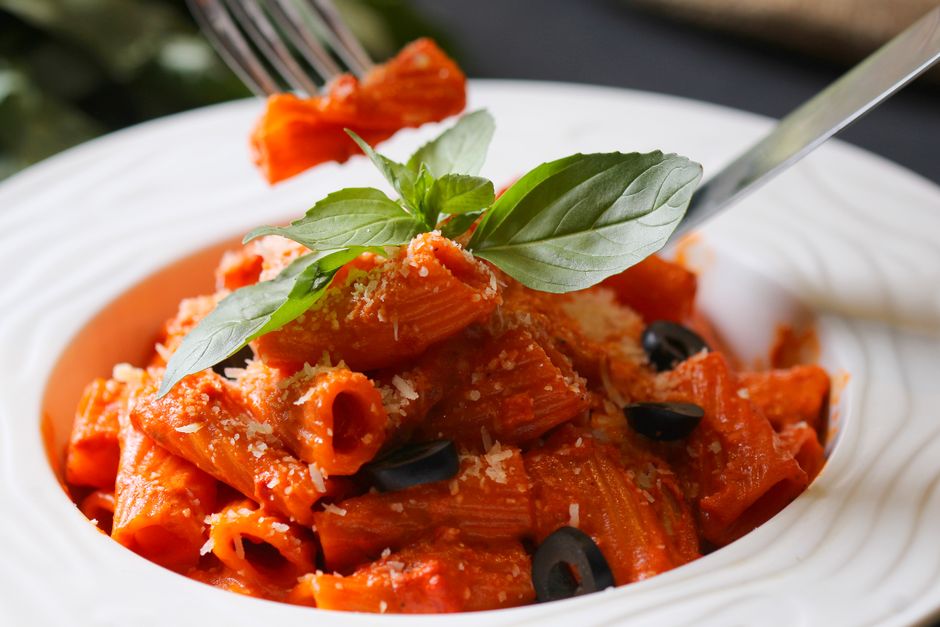
This versatile gluten free pasta alternative works with virtually any sauce you love. Toss it with a classic marinara and fresh basil for a simple weeknight dinner, or pair it with a rich Bolognese for something heartier. It is also wonderful in cold pasta salads with roasted vegetables, olives, and a lemon vinaigrette. For an elegant presentation, serve it with a creamy mushroom sauce, a sprinkle of parmesan, and a crack of black pepper. The neutral flavor of the rice flour base makes it an ideal canvas for bold, complex sauces.
Nutrition Facts
| Nutrient | Per Serving |
|---|---|
| Calories | 210 |
| Protein | 5g |
| Carbohydrates | 38g |
| Fat | 5g |
Frequently Asked Questions
What is the best gluten free flour for making pasta?
Can I make this gluten free pasta without a pasta machine?
Why does my gluten free pasta dough keep cracking when I roll it?
How long does homemade gluten free pasta last?
Is this gluten free pasta alternative safe for people with celiac disease?
Culinary Glossary
Gluten Free Pasta Alternative
Ingredients
- 1 ½ cups fine white rice flour
- ½ cup tapioca starch
- 1 teaspoon xanthan gum
- ½ teaspoon fine sea salt
- 2 large eggs
- 1 large egg yolk
- 1 tablespoon extra virgin olive oil
- 1-2 tablespoons warm water, as needed
Instructions
- Whisk together rice flour, tapioca starch, xanthan gum, and salt in a large bowl. Create a well in the center.
- Add eggs, egg yolk, and olive oil to the well. Beat with a fork, gradually incorporating flour until a shaggy dough forms.
- Knead on a rice-floured surface for 5 to 7 minutes until smooth and pliable. Add warm water if too dry.
- Wrap dough in plastic and rest at room temperature for 30 minutes.
- Divide into 4 portions. Roll each through a pasta machine, folding and rolling repeatedly, until the dough is 1/16 inch thin.
- Cut into desired shapes and dust generously with rice flour to prevent sticking.
- Bring a large pot of generously salted water to a rolling boil.
- Cook pasta for 2 to 3 minutes until tender with a slight bite. Test frequently.
- Drain, reserving ½ cup pasta water. Toss immediately with sauce and serve hot.

📅 Last Updated
Updated on 2026-06-11 to reflect the latest test-kitchen insights.
🔍 Testing Methodology
Every recipe is developed and tested at least three times in our home kitchen using standard US measuring cups and spoons.
📖 Recipe Source Notes
Inspired by traditional family methods and refined through professional culinary testing.
⚠️ Nutrition Disclaimer
Nutrition is estimated from an ingredient database. Actual values vary with brands and preparation.