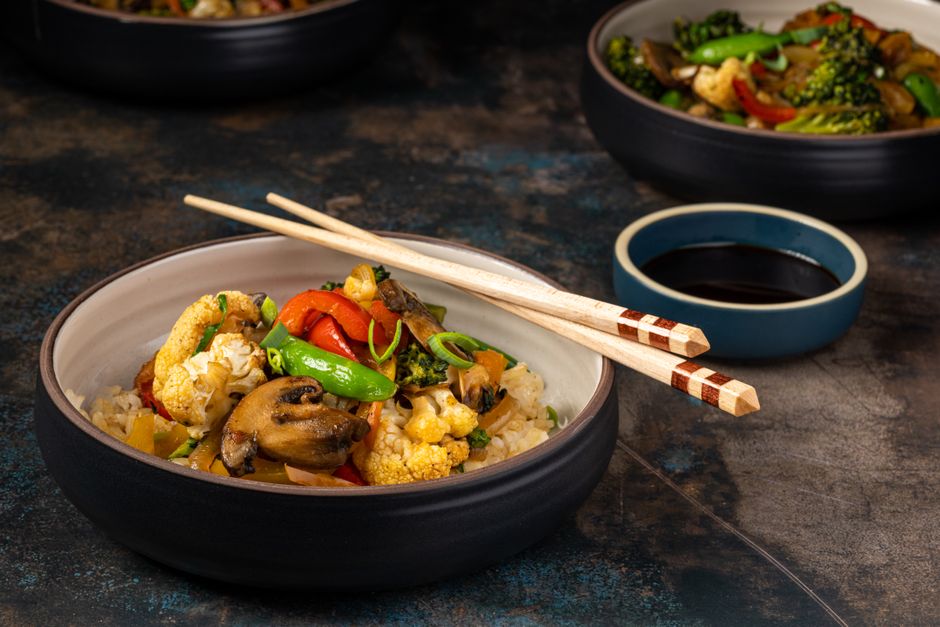
Vegetarian Stir Fry Recipe — Quick, Easy & Delicious
The ultimate guide to making the perfect vegetarian stir fry recipe at home.
This vegetarian stir fry recipe comes together in under 30 minutes using fresh vegetables, crispy tofu, and a savory soy-ginger sauce. It’s a healthy, budget-friendly weeknight dinner that rivals any takeout — and it’s completely customizable with whatever vegetables you have on hand.
A great vegetarian stir fry recipe is one of the most versatile dishes in any home cook’s repertoire. It’s fast, nutritious, and endlessly adaptable — whether you’re working with seasonal farmers’ market produce or clearing out the vegetable drawer at the end of the week. The key to restaurant-quality results lies in high heat, proper ingredient preparation, and a well-balanced sauce that clings to every piece of vegetable and tofu.
This recipe walks you through every step, from pressing your tofu for maximum crispiness to building a glossy, umami-rich stir fry sauce from pantry staples. You’ll learn the science behind the sear, the correct order for adding vegetables, and the chef-level tricks that transform a simple weeknight meal into something truly special. No wok required — a large skillet works perfectly.
Pros
- Ready in under 30 minutes from start to finish
- Packed with fiber, vitamins, and plant-based protein
- Highly customizable — use any vegetables you have available
- Significantly cheaper and healthier than takeout
- Meal-prep friendly and stores well for up to 4 days
- One-pan cooking means minimal cleanup
Cons
- Requires constant attention and stirring during cooking
- Overcrowding the pan can lead to steaming instead of searing
- Tofu needs pressing time (15–20 min) for best texture
- Not ideal for very large batches in a standard home skillet
✅ This recipe was last tested and validated by our test kitchen on 2026-06-12.
Key Takeaways
- Press tofu for at least 15 minutes to remove excess moisture — this is the single most important step for crispy results.
- Cut all vegetables to uniform sizes so they cook evenly in the same amount of time.
- Preheat your pan until it’s smoking hot before adding any ingredients.
- Add vegetables in order of density: hardest (carrots, broccoli stems) first, softest (leafy greens, bean sprouts) last.
- Mix the sauce in a separate bowl before cooking so it’s ready to add at the right moment.
- Don’t stir constantly — let ingredients sit for 30–60 seconds to develop a golden sear before tossing.
Ingredients
To make this authentic vegetarian stir fry recipe you will need the following fresh ingredients:
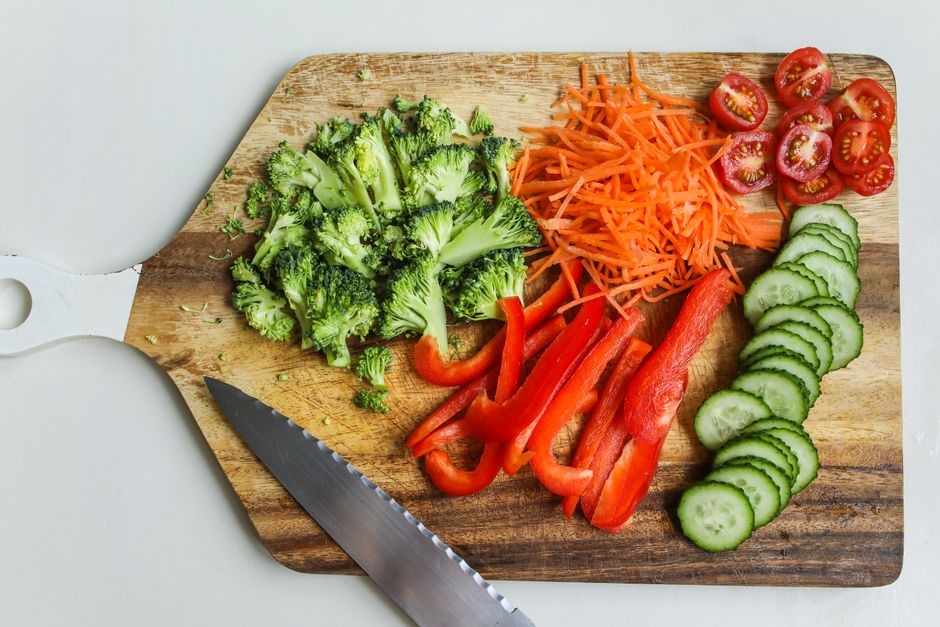
Everything you need for vegetarian stir fry recipe
🛒 Shop Key Ingredients
| Ingredient | Why You Need It | Buy |
|---|---|---|
| Firm Tofu | Provides plant-based protein and develops a crispy exterior when properly pressed and seared. | Check Price |
| Low-Sodium Soy Sauce | Forms the umami backbone of the stir fry sauce while controlling salt levels. | Check Price |
| Toasted Sesame Oil | Adds a deep, nutty aroma that defines authentic stir fry flavor — used as a finishing oil. | Check Price |
| Rice Vinegar | Adds brightness and acidity to balance the savory sauce. | Check Price |
Kitchen Equipment
| Tool | Why You Need It | Buy |
|---|---|---|
| Carbon Steel Wok or Large Skillet | Provides the high, even heat needed for proper searing and the signature smoky “wok hei” flavor. | Check Price |
| Tofu Press or Heavy Object | Removes excess moisture from tofu so it crisps up instead of steaming in the pan. | Check Price |
| Sharp Chef’s Knife | Essential for cutting vegetables into uniform sizes so they cook evenly. | Check Price |
| Microplane Grater | Creates fine ginger and garlic that melts into the sauce rather than leaving chunky pieces. | Check Price |
| Flexible Spatula or Wok Spatula | Allows you to toss and flip ingredients quickly without scratching your cookware. | Check Price |
Step-by-Step Instructions
Follow these steps exactly for perfect vegetarian stir fry recipe every time.
Preparation
Wrap the tofu block in a clean kitchen towel or paper towels. Place a heavy object (like a cast iron skillet or a stack of books) on top and press for 15–20 minutes. Remove the weight, unwrap, and cut the tofu into ¾-inch cubes. Pat the cubes dry one final time with a paper towel.
Cut broccoli into bite-sized florets. Slice the red bell pepper into thin strips. Trim the snap peas. Julienne or thinly slice the carrot. Mince the garlic and grate the ginger. Slice the green onions, keeping the white parts separate from the green tops. Arrange everything on a cutting board or tray in the order you’ll cook them.
In a small bowl, whisk together the soy sauce, rice vinegar, sesame oil, cornstarch, honey (or maple syrup), vegetable broth, and sriracha if using. Whisk until the cornstarch is completely dissolved and no lumps remain. Set aside within arm’s reach of the stove.
Place the tofu cubes, all prepared vegetables, garlic, ginger, green onion whites, and the bowl of sauce next to the stove. Stir fry cooking happens fast — once you start, there’s no time to chop or measure. Having everything within reach is essential.
Cooking
Heat 1 tablespoon of vegetable oil in a wok or large skillet over high heat until the oil shimmers and just begins to smoke. Add the tofu cubes in a single layer — do not overcrowd. Let them cook undisturbed for 2–3 minutes until golden and crispy on the bottom. Flip and repeat on 2–3 more sides until all sides are golden. Remove tofu to a clean plate and set aside.
Add the remaining 1 tablespoon of oil to the hot pan. Add the carrots and broccoli florets first, as they take the longest to cook. Stir fry for 2–3 minutes, tossing every 30–45 seconds, until the broccoli turns bright green and the carrots begin to soften slightly.
Push the broccoli and carrots to the sides of the pan. Add the bell pepper strips and snap peas to the center. Toss for 1 minute. Add the garlic, ginger, and green onion whites. Stir fry for 30 seconds until fragrant — do not let the garlic burn or it will turn bitter.
Give the sauce mixture one final stir (cornstarch settles quickly). Pour it into the center of the pan. It will bubble and thicken almost immediately. Toss all the vegetables together in the sauce for 1–2 minutes until everything is evenly coated and the sauce turns glossy and clings to the vegetables.
Add the crispy tofu back to the pan. Gently toss to coat the tofu in the sauce without breaking the cubes. Cook for 1 more minute to heat the tofu through. Remove from heat immediately.
Transfer the stir fry to a serving bowl or plate over steamed jasmine rice. Garnish with the reserved green onion tops and a generous sprinkle of toasted sesame seeds. Serve immediately while hot and glossy.
Chef’s Secrets
- Dry tofu is crispy tofu: The single biggest mistake is skipping the press. Wet tofu steams instead of searing, resulting in a soggy, crumbly texture. Press for at least 15 minutes and pat dry again before cooking.
- High heat is non-negotiable: A proper stir fry requires the hottest burner on your stove. The pan should be smoking before you add anything. This creates the Maillard reaction — the chemical browning that gives stir fries their complex, savory flavor.
- Don’t crowd the pan: Cook tofu in batches if needed. Overcrowding drops the pan temperature and causes ingredients to steam. Each piece of tofu and vegetable needs direct contact with the hot surface.
- Cornstarch is your secret weapon: Adding cornstarch to the sauce creates a silky, glossy coating that clings to vegetables instead of pooling at the bottom of the pan. It also helps the sauce thicken quickly without overcooking the vegetables.
- Prep everything before you turn on the heat: Stir fry cooking takes only 10–12 minutes of active time. If you’re still chopping garlic while the tofu is searing, something will burn. Mise en place is essential.
Storage
Allow the stir fry to cool completely before transferring to an airtight container. Store in the refrigerator for up to 4 days. Keep the rice and stir fry in separate containers if possible, as the rice will absorb the sauce and become soggy. The vegetables will soften slightly upon storage but will still taste excellent when reheated properly.
Freezing
This stir fry freezes well for up to 2 months. Cool completely, then transfer to a freezer-safe container or zip-lock bag, pressing out as much air as possible. Note that vegetables with high water content (like bell peppers and snap peas) will soften significantly after freezing and thawing — the texture will be more like a stew than a crisp stir fry. For best results, freeze the sauce and tofu separately from the vegetables, or plan to use the thawed stir fry in fried rice or grain bowls where softer texture is acceptable.
Reheating
The best way to reheat this stir fry is in a hot skillet or wok over medium-high heat for 3–4 minutes, tossing frequently. This restores some of the crispiness that microwaving cannot. If using a microwave, cover the dish loosely and heat in 60-second intervals, stirring between each, until heated through. Add a splash of water or broth if the sauce has thickened too much during storage.
Variations
- Spicy: Double the sriracha and add 1 tablespoon of chili garlic sauce or gochujang to the sauce mixture. Top with fresh sliced Thai chilies and a drizzle of chili oil before serving.
- Creamy: Stir in 2 tablespoons of peanut butter or cashew butter into the sauce before adding it to the pan. This creates a rich, satay-style coating that pairs beautifully with the vegetables.
- Vegan: Replace the honey with maple syrup or agave nectar. Ensure your soy sauce is labeled vegan (most are, but some brands use trace animal products in processing).
- High-Protein: Add 1 cup of edamame beans along with the snap peas, and double the tofu. You can also toss in ½ cup of roasted cashews at the end for extra crunch and protein.
Substitutions
Firm tofu can be replaced with tempeh (sliced into cubes and pan-fried the same way) or extra-firm pressed seitan for a chewier texture. Soy sauce can be swapped for tamari (gluten-free) or coconut aminos for a soy-free option. Rice vinegar can be replaced with apple cider vinegar or fresh lime juice. Vegetable broth can be substituted with water plus an extra splash of soy sauce. Any of the vegetables can be swapped based on availability — zucchini, mushrooms, baby corn, bok choy, and asparagus all work beautifully in this recipe.
Common Mistakes
The most common mistake is cooking on medium heat instead of high heat, which causes vegetables to release their water and steam rather than sear. Another frequent error is adding all vegetables at once instead of staging them by density — this results in overcooked peppers and undercooked carrots. Overcrowding the pan is the third major pitfall; cook in batches if your pan isn’t large enough. Finally, adding the sauce too early before the vegetables have developed any color will result in a pale, underwhelming dish. Always sear first, sauce last.
Serving Suggestions
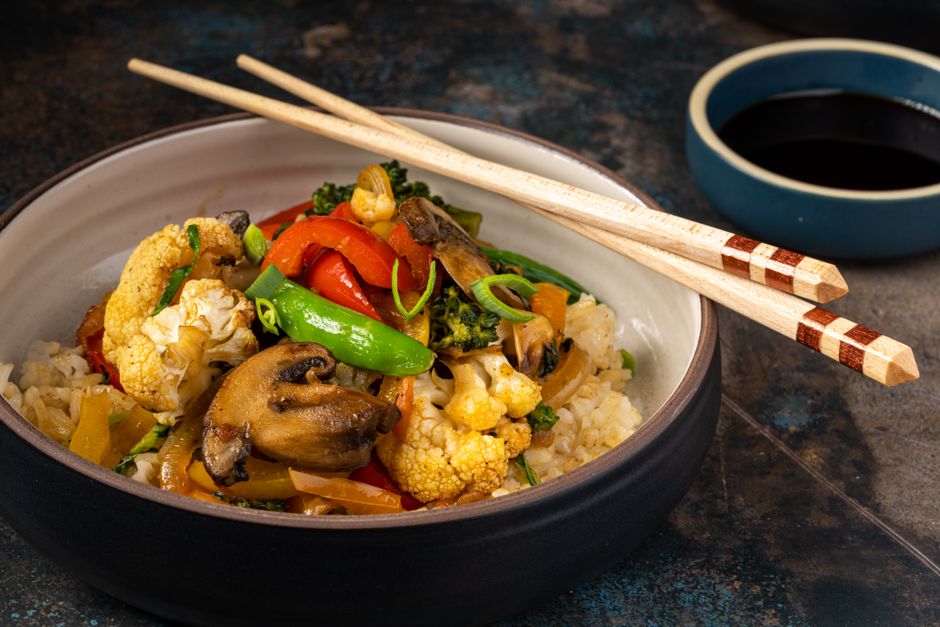
Serve this vegetarian stir fry over steamed jasmine rice or brown rice for a classic pairing. For a low-carb option, try cauliflower rice or serve it over rice noodles. It also works beautifully as a filling for lettuce wraps — simply spoon the stir fry into butter lettuce cups and garnish with extra sesame seeds and a squeeze of lime. For a complete meal, pair with a simple side of miso soup or a cucumber sesame salad.
Nutrition Facts
| Nutrient | Per Serving |
|---|---|
| Calories | 320 |
| Protein | 16g |
| Carbohydrates | 34g |
| Fat | 14g |
Frequently Asked Questions
Can I make this vegetarian stir fry recipe without tofu?
What vegetables work best in a vegetarian stir fry?
How do I get my stir fry sauce thick and glossy?
Can I use a regular pan instead of a wok?
Is this vegetarian stir fry recipe gluten-free?
🍽️ You Might Also Like
Culinary Glossary
Vegetarian Stir Fry Recipe — Quick, Easy & Delicious
Ingredients
- 14 oz (400g) firm tofu, pressed and cubed
- 2 cups broccoli florets, cut into bite-sized pieces
- 1 large red bell pepper, sliced into thin strips
- 1 cup snap peas, trimmed
- 1 large carrot, julienned or sliced into thin coins
- 3 cloves garlic, minced
- 1 inch fresh ginger, peeled and grated
- 3 green onions, sliced (white and green parts separated)
- 3 tbsp soy sauce (low sodium preferred)
- 1 tbsp rice vinegar
- 1 tbsp sesame oil
- 1 tbsp cornstarch
- 1 tbsp honey or maple syrup
- ½ cup vegetable broth or water
- 2 tbsp vegetable or peanut oil, divided
- 1 tsp sriracha or chili flakes (optional)
- 1 tbsp toasted sesame seeds, for garnish
- Steamed jasmine rice, for serving
Instructions
- Press tofu for 15–20 minutes under a heavy object. Cut into ¾-inch cubes and pat dry.
- Prepare all vegetables: cut broccoli, slice bell pepper, trim snap peas, julienne carrot, mince garlic, grate ginger, slice green onions (keep whites and greens separate).
- Whisk together soy sauce, rice vinegar, sesame oil, cornstarch, honey, vegetable broth, and sriracha in a small bowl until smooth.
- Heat 1 tbsp oil in a wok or large skillet over high heat until smoking. Sear tofu cubes in a single layer for 2–3 minutes per side until golden on all sides. Remove to a plate.
- Add remaining oil. Stir fry carrots and broccoli for 2–3 minutes.
- Add bell peppers and snap peas. Cook 1 minute. Add garlic, ginger, and green onion whites. Stir fry 30 seconds until fragrant.
- Pour in the sauce. Toss everything for 1–2 minutes until the sauce thickens and coats the vegetables.
- Return tofu to the pan. Gently toss to coat in sauce. Cook 1 minute to heat through.
- Remove from heat. Serve over steamed jasmine rice, garnished with green onion tops and toasted sesame seeds.

📅 Last Updated
Updated on 2026-06-12 to reflect the latest test-kitchen insights.
🔍 Testing Methodology
Every recipe is developed and tested at least three times in our home kitchen using standard US measuring cups and spoons.
📖 Recipe Source Notes
Inspired by traditional family methods and refined through professional culinary testing.
⚠️ Nutrition Disclaimer
Nutrition is estimated from an ingredient database. Actual values vary with brands and preparation.