Easy French Toast Recipe
The ultimate guide to making the perfect easy french toast recipe at home.
To make easy french toast, whisk together eggs, milk, cinnamon, and vanilla, dip thick slices of bread into the mixture, then cook on a buttered skillet over medium heat until golden brown on both sides. Serve with maple syrup and fresh fruit for a classic breakfast in under 20 minutes.
There’s nothing quite like a plate of warm, golden french toast to start your morning right. This easy french toast recipe uses simple pantry staples — eggs, milk, cinnamon, and good bread — to create a breakfast that feels indulgent but comes together in minutes. Whether you’re cooking for a lazy weekend brunch or rushing to get the kids out the door, this recipe delivers consistently delicious results every single time.
What makes this the best easy french toast recipe is the balance of flavor and texture. The custard mixture soaks just enough into the bread to create a creamy interior while the exterior crisps up beautifully in butter. A touch of vanilla and cinnamon adds warmth without overpowering, and the whole dish is endlessly customizable with your favorite toppings. Once you master this basic technique, you’ll never need another french toast recipe again.
Pros
- Ready in under 20 minutes from start to finish
- Uses simple, affordable pantry ingredients
- Kid-friendly and universally loved
- Highly customizable with endless topping options
- Perfect for meal prep — freezes and reheats beautifully
- Great way to use up stale bread that would otherwise go to waste
Cons
- Requires constant attention at the stove — not a set-it-and-forget-it dish
- Can become soggy if the bread is soaked too long
- Not suitable for those with egg or dairy allergies without substitutions
- Best eaten immediately; loses crispness if left sitting
✅ This recipe was last tested and validated by our test kitchen on 2026-06-19.
Key Takeaways
- Use day-old or slightly stale bread for the best texture — fresh bread falls apart
- Thick-cut challah or brioche produces the richest, most custardy french toast
- Let each slice soak for 20-30 seconds per side — don’t oversoak
- Cook over medium heat, not high, to avoid burning the outside before the inside sets
- Add a pinch of salt to the custard to enhance all the flavors
- Keep cooked slices warm in a 200°F oven while you finish the batch
Ingredients
To make this authentic easy french toast recipe you will need the following fresh ingredients:
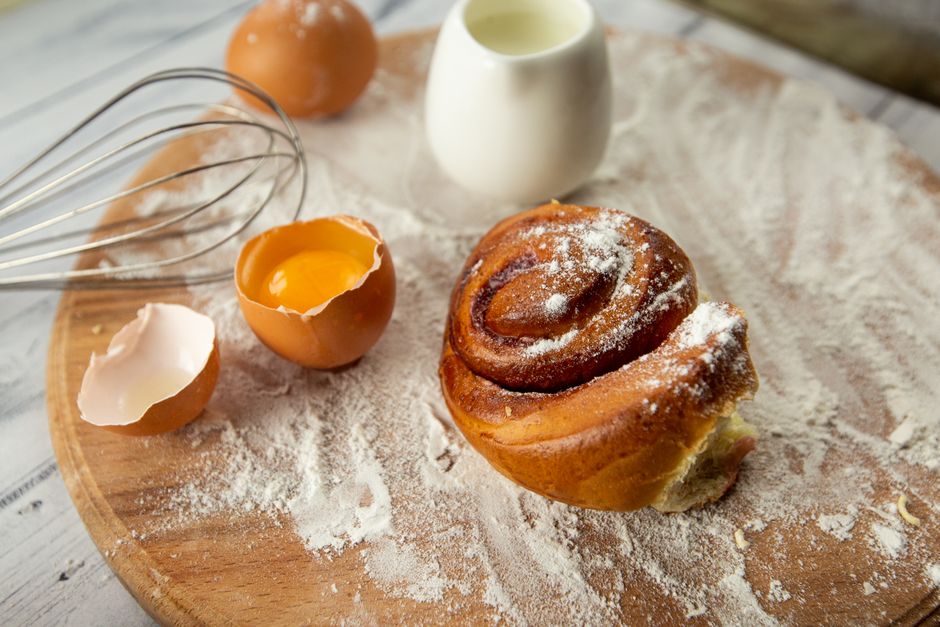
Everything you need for easy french toast recipe
🛒 Shop Key Ingredients
| Ingredient | Why You Need It | Buy |
|---|---|---|
| Challah or Brioche Bread | Rich, slightly sweet bread with a tight crumb that holds up to soaking without falling apart | Check Price |
| Pure Vanilla Extract | Adds warm, complex flavor that elevates the custard beyond basic egg and milk | Check Price |
| Ground Ceylon Cinnamon | Provides a delicate, aromatic spice that pairs perfectly with the sweetness of the dish | Check Price |
| Pure Maple Syrup | The classic finishing touch — real maple syrup adds depth that pancake syrup can’t match | Check Price |
Kitchen Equipment
| Tool | Why You Need It | Buy |
|---|---|---|
| Large Shallow Dish | Provides a wide surface for dipping bread slices evenly into the custard mixture | Check Price |
| Non-Stick Skillet or Griddle | Ensures even heat distribution and prevents the delicate toast from sticking and tearing | Check Price |
| Whisk | Blends the eggs, milk, and seasonings into a smooth, uniform custard | Check Price |
| Flat Spatula | Allows you to flip the bread gently without damaging the golden crust | Check Price |
| Wire Cooling Rack | Keeps cooked slices crisp by allowing air circulation underneath during the warming phase | Check Price |
Step-by-Step Instructions
Follow these steps exactly for perfect easy french toast recipe every time.
Preparation
In a large shallow dish, whisk together the eggs, milk, cinnamon, vanilla extract, sugar, and salt until fully combined and slightly frothy. Make sure the cinnamon is evenly distributed with no lumps remaining.
If your bread isn’t already stale, lay the slices on a baking sheet and toast them in a 300°F oven for 5 minutes to dry them out slightly. This helps the bread absorb the custard without becoming mushy.
Place a non-stick skillet or griddle over medium heat and add 1 tablespoon of butter. Let it melt and foam, swirling the pan to coat the surface evenly. The butter should sizzle gently — if it browns immediately, the heat is too high.
Cooking
Place one slice of bread into the custard mixture and let it soak for 20-30 seconds per side. The bread should feel saturated but not falling apart. Let any excess drip off before transferring to the pan.
Lay the soaked bread slice gently into the hot buttered skillet. Cook for 2-3 minutes until the underside is deep golden brown and slightly crispy at the edges. Avoid pressing down on the bread — this squeezes out the custard.
Use a flat spatula to carefully flip the slice. Cook the second side for another 2-3 minutes until equally golden. If cooking in batches, add more butter between rounds and keep finished slices warm on a wire rack in a 200°F oven.
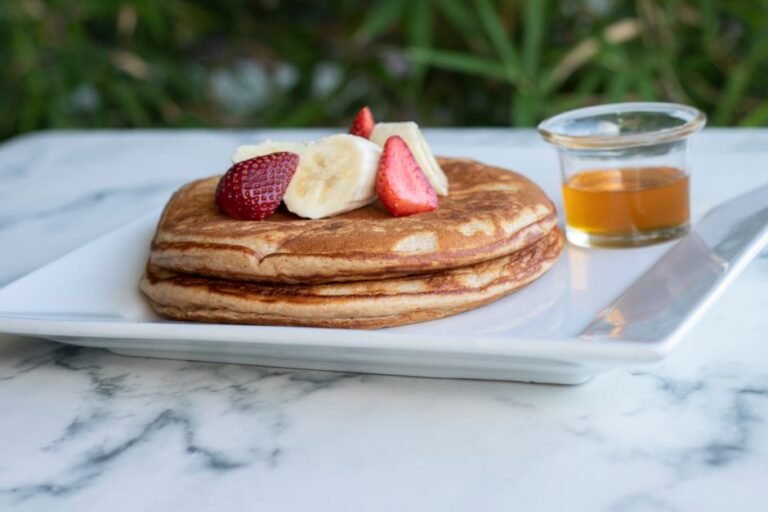
Stack the french toast on warm plates, top with a pat of butter, a generous drizzle of maple syrup, and fresh berries or sliced fruit. Dust with powdered sugar if desired.
Chef’s Secrets
- Use stale bread: Day-old bread absorbs the custard better without disintegrating. Fresh bread is too soft and will turn to mush in the pan.
- Don’t oversoak: Twenty to thirty seconds per side is the sweet spot. Any longer and the center becomes waterlogged rather than custardy.
- Control your heat: Medium heat is essential. Too hot and the outside burns before the egg cooks through; too low and you lose the crispy exterior.
- Add a pinch of salt: Salt in the custard mixture enhances the sweetness and rounds out the cinnamon and vanilla flavors.
- Finish in the oven: For extra-thick slices, transfer the skillet to a 375°F oven for 3-4 minutes after searing to ensure the center is fully set.
Storage
Store leftover french toast in an airtight container in the refrigerator for up to 3 days. Place parchment paper between slices to prevent them from sticking together. While refrigeration preserves safety, the texture will soften — the crispy exterior is best enjoyed fresh from the pan.
Freezing
This easy french toast recipe freezes exceptionally well. Let cooked slices cool completely, then arrange them in a single layer on a baking sheet and freeze for 1 hour until firm. Transfer to a freezer-safe bag or container with parchment paper between each slice. They’ll keep for up to 2 months. This method prevents the slices from freezing into one solid block so you can grab exactly what you need.
Reheating
For the best texture, reheat frozen or refrigerated french toast in a toaster or toaster oven until hot and slightly crispy — about 2-3 minutes. Alternatively, place slices on a wire rack set over a baking sheet in a 350°F oven for 8-10 minutes. The microwave works in a pinch but will make the bread soft and chewy rather than crispy. Avoid reheating more than once, as the texture degrades significantly with each cycle.
Variations
- Spicy: Add 1/4 teaspoon of cayenne pepper and a pinch of nutmeg to the custard mixture for a warm, subtly spicy kick that pairs beautifully with honey.
- Creamy: Spread a layer of sweetened mascarpone or cream cheese between two dipped slices before cooking, creating a stuffed french toast with a luscious molten center.
- Vegan: Replace eggs with 2 tablespoons of chickpea flour mixed with 1/2 cup of oat milk per serving, and use coconut oil instead of butter. The texture is slightly different but still delicious.
- High-Protein: Add one scoop of vanilla protein powder to the custard mixture and use high-protein bread. This boosts each serving to approximately 22 grams of protein.
Substitutions
This easy french toast recipe is highly adaptable. For the milk, you can substitute half-and-half for a richer result, or use almond, oat, or coconut milk for a dairy-free version. Any thick-cut bread works — Texas toast, sourdough, or even croissants for an extra-indulgent twist. If you don’t have cinnamon, try pumpkin pie spice or cardamom for a different flavor profile. Brown sugar can replace granulated sugar for a deeper, more caramel-like sweetness. For those avoiding eggs, a flax egg (1 tablespoon ground flaxseed mixed with 3 tablespoons water per egg) works as a binder, though the texture will be slightly denser.
Common Mistakes
The most common mistake when making french toast is using bread that’s too fresh, which causes it to fall apart in the custard. Always use day-old bread or dry fresh slices in a low oven first. Another frequent error is cooking over high heat, which produces a burnt exterior and a raw, runny interior. Patience with medium heat is key. Oversoaking the bread is also a problem — the goal is a custardy center, not a waterlogged sponge. Finally, skipping the salt in the custard mixture leaves the flavor flat and one-dimensional. A small pinch makes a noticeable difference.
Serving Suggestions
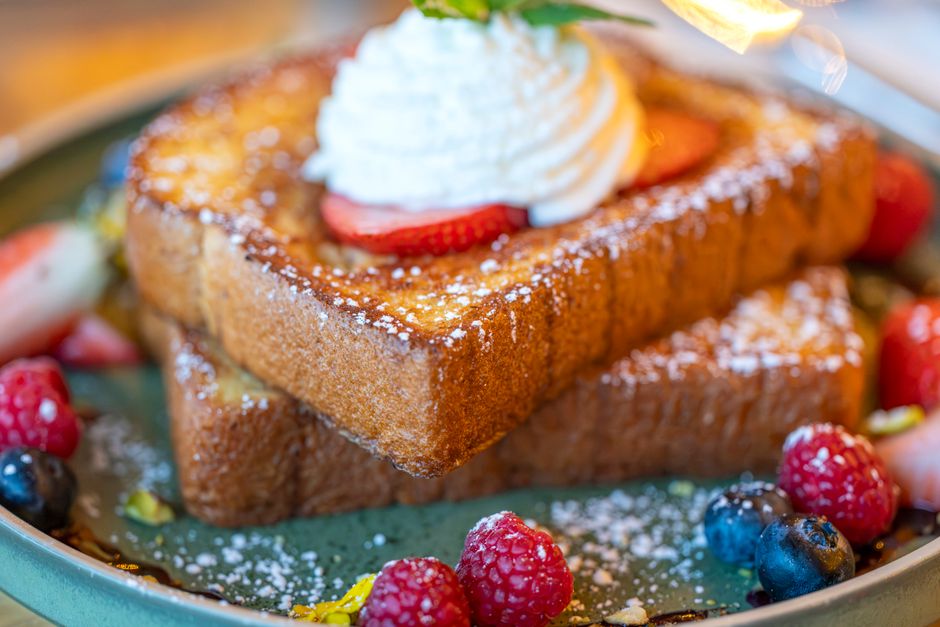
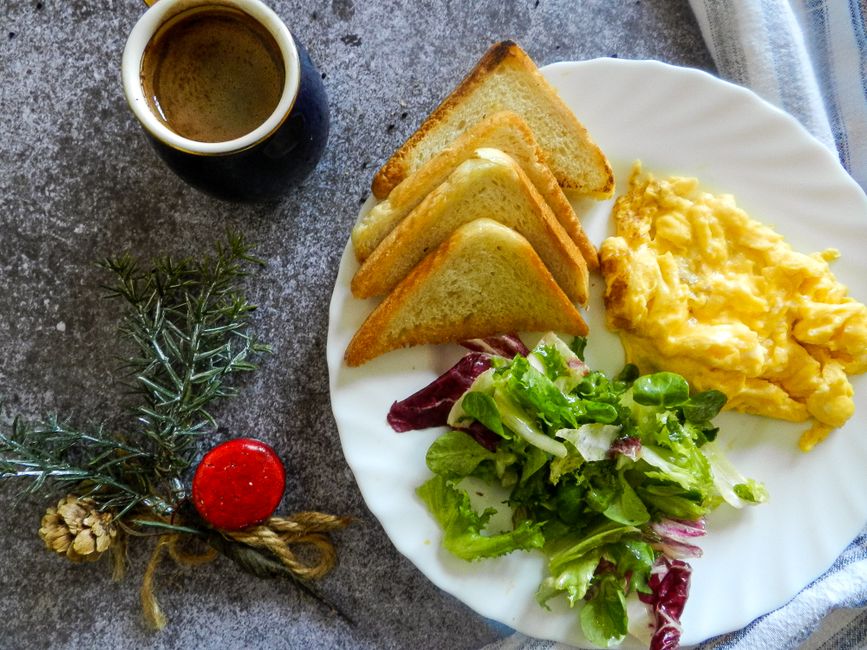
Classic maple syrup and butter are always a winning combination, but don’t stop there. Try topping your french toast with a dollop of whipped cream and fresh strawberries for a dessert-like brunch, or go savory with a drizzle of honey, crumbled bacon, and a sprinkle of flaky sea salt. A side of scrambled eggs and fresh fruit rounds out the plate for a complete breakfast. For special occasions, a dusting of powdered sugar and a splash of Grand Marnier over caramelized bananas elevates this easy french toast recipe to restaurant quality.
Nutrition Facts
| Nutrient | Per Serving |
|---|---|
| Calories | 280 |
| Protein | 10g |
| Carbohydrates | 38g |
| Fat | 11g |
Frequently Asked Questions
What is the best bread for french toast?
Can I make french toast ahead of time?
Why is my french toast soggy in the middle?
Can I make french toast without eggs?
How do I keep french toast warm for a crowd?
🍽️ You Might Also Like

Culinary Glossary
Easy French Toast Recipe
Ingredients
- 4 large eggs
- 1 cup whole milk
- 1 teaspoon ground cinnamon
- 1 teaspoon vanilla extract
- 1 tablespoon granulated sugar
- 1/4 teaspoon salt
- 8 thick slices day-old bread (challah or brioche recommended)
- 2 tablespoons unsalted butter (for cooking)
- Maple syrup (for serving)
- Fresh berries or sliced fruit (for serving)
Instructions
- Whisk together eggs, milk, cinnamon, vanilla, sugar, and salt in a large shallow dish until smooth and slightly frothy.
- If bread is fresh, dry slices in a 300°F oven for 5 minutes to firm them up.
- Heat a non-stick skillet over medium heat and melt 1 tablespoon of butter, swirling to coat the pan.
- Dip each bread slice into the custard for 20-30 seconds per side, letting excess drip off.
- Cook soaked slices in the skillet for 2-3 minutes per side until deep golden brown.
- Keep cooked slices warm on a wire rack in a 200°F oven while finishing the batch.
- Serve immediately with butter, maple syrup, and fresh fruit.
📅 Last Updated
Updated on 2026-06-19 to reflect the latest test-kitchen insights.
🔍 Testing Methodology
Every recipe is developed and tested at least three times in our home kitchen using standard US measuring cups and spoons.
📖 Recipe Source Notes
Inspired by traditional family methods and refined through professional culinary testing.
⚠️ Nutrition Disclaimer
Nutrition is estimated from an ingredient database. Actual values vary with brands and preparation.