Slow Cooker Vegetarian Chili – Rich, Hearty & Effortless
The ultimate guide to making the perfect slow cooker vegetarian recipe at home.
This slow cooker vegetarian chili combines kidney beans, black beans, fire-roasted tomatoes, and smoky spices for a deeply satisfying meatless meal. Simply add everything to your slow cooker, set it on low for 6–8 hours, and come home to a rich, hearty chili that serves four generously.
There’s something deeply comforting about walking through the front door after a long day and being greeted by the warm, smoky aroma of chili simmering away. This slow cooker vegetarian chili delivers all the bold, complex flavors you crave — without any meat and without any standing over a hot stove. It’s the kind of recipe that proves plant-based cooking can be every bit as satisfying and soul-warming as its meaty counterparts.
What makes this recipe stand out is its layered flavor profile. We’re not just dumping beans into a pot and hoping for the best. By blooming the spices in a little olive oil before adding them to the slow cooker, and by using fire-roasted tomatoes for a subtle charred depth, this chili achieves a richness that even die-hard meat lovers will appreciate. It’s budget-friendly, meal-prep friendly, and endlessly customizable — the ultimate weeknight warrior recipe.
Pros
- Completely hands-off cooking — set it and forget it
- Extremely budget-friendly with pantry-staple ingredients
- High in fiber and plant-based protein from three types of beans
- Flavor actually improves the next day, making it ideal for meal prep
- Naturally gluten-free and easily made vegan
- Feeds a crowd and freezes beautifully for up to 3 months
Cons
- Requires 6–8 hours on low, so advance planning is needed
- Some slow cookers run hotter than others, which can affect texture
- Beans can become mushy if cooked too long on high heat
✅ This recipe was last tested and validated by our test kitchen on 2026-06-20.
Key Takeaways
- Always bloom your spices in oil before adding them to the slow cooker — this unlocks their full aromatic potential
- Use fire-roasted diced tomatoes instead of regular canned tomatoes for a deeper, smokier base
- Don’t skip the splash of soy sauce — it adds umami depth that mimics the savory quality of meat
- Add the bell peppers in the last 2 hours if you prefer them with a slight bite rather than fully soft
- Let the chili rest for 10 minutes after cooking so the flavors meld and the texture thickens
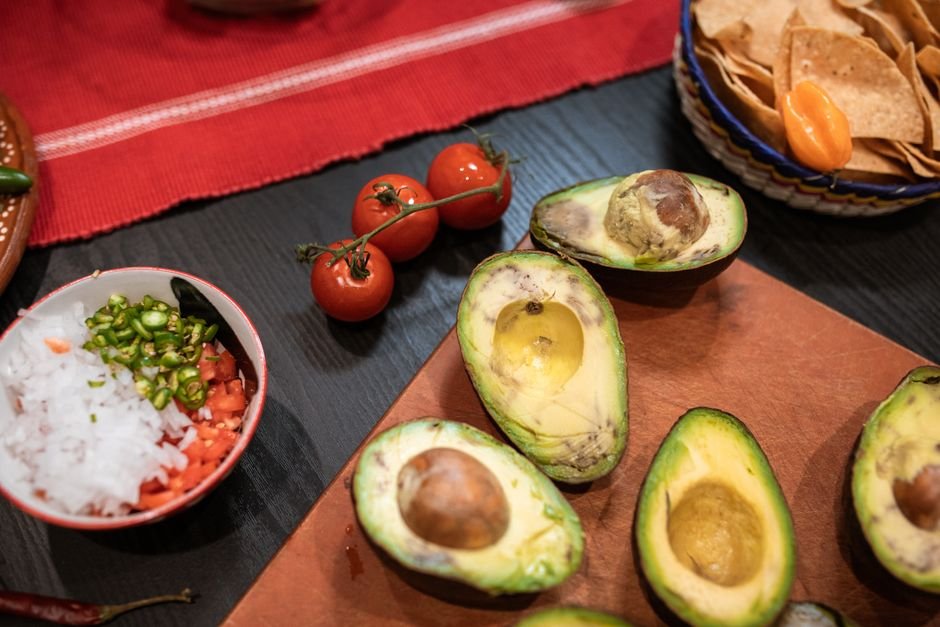
- Top with fresh garnishes like avocado, cilantro, and lime to brighten every bowl
Ingredients
To make this authentic slow cooker vegetarian recipe you will need the following fresh ingredients:
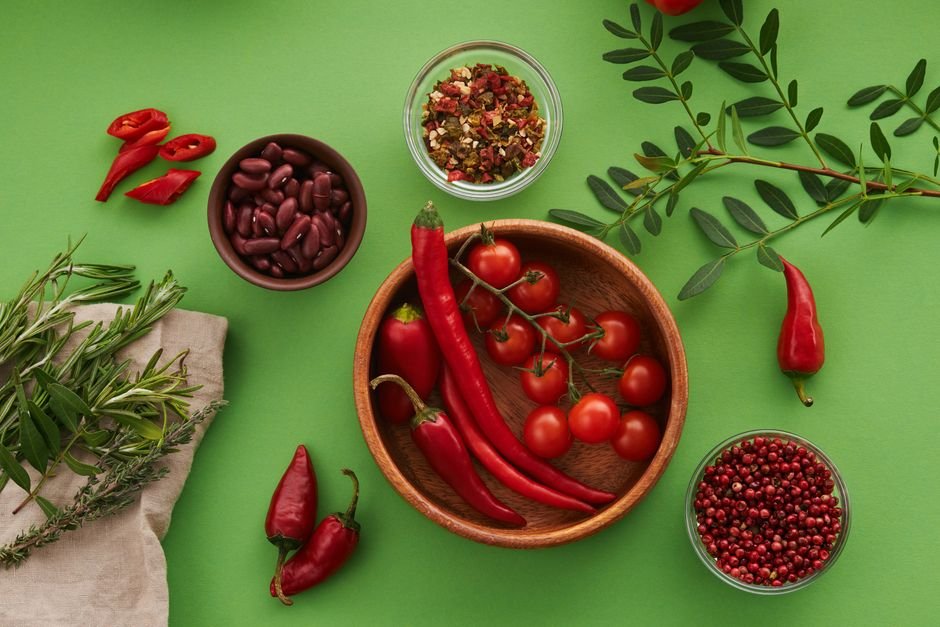
Everything you need for slow cooker vegetarian chili
🛒 Shop Key Ingredients
| Ingredient | Why You Need It | Buy |
|---|---|---|
| Fire-Roasted Diced Tomatoes | Adds a smoky, charred depth that regular tomatoes can’t match — the backbone of this chili’s flavor | Check Price |
| Chili Powder Blend | The primary seasoning that gives chili its signature warm, earthy heat | Check Price |
| Smoked Paprika | Provides a deep smokiness that mimics the flavor typically achieved with meat | Check Price |
| Low-Sodium Vegetable Broth | Controls salt levels while adding savory liquid that ties all the flavors together | Check Price |
Kitchen Equipment
| Tool | Why You Need It | Buy |
|---|---|---|
| 6-Quart Slow Cooker | The ideal size for this recipe — large enough for even heat distribution without overflow | Check Price |
| Cast Iron Skillet | Used to bloom the spices in oil before adding to the slow cooker — essential for depth of flavor | Check Price |
| Sharp Chef’s Knife | For efficient dicing of onions, peppers, and garlic | Check Price |
| Can Opener | You’ll need to open multiple cans of beans and tomatoes | Check Price |
Step-by-Step Instructions
Follow these steps exactly for perfect slow cooker vegetarian chili every time.
Preparation
Heat the olive oil in a cast iron skillet over medium heat. Add the chili powder, ground cumin, smoked paprika, and dried oregano. Stir constantly for 60–90 seconds until the spices become fragrant and darken slightly. This blooming step is critical — it activates the fat-soluble flavor compounds in the spices and makes a dramatic difference in the final taste.
Add the diced onion and minced garlic to the skillet with the bloomed spices. Cook for 3–4 minutes, stirring frequently, until the onion turns soft and translucent. The onion should pick up the reddish-brown color from the spices. Remove from heat and set aside.
Add the fire-roasted diced tomatoes (with their juices), tomato paste, vegetable broth, soy sauce, brown sugar, and cayenne pepper (if using) to the slow cooker. Add all three types of drained and rinsed beans. Pour in the onion-spice mixture from the skillet. Stir everything together until well combined.
Stir in the diced red and green bell peppers. If you prefer peppers with a bit of crunch and texture, hold them out now and add them during the last 2 hours of cooking instead. For fully soft, melded-in peppers, add them at this stage.
Cooking
Cover the slow cooker and set it to LOW for 6–8 hours. Low heat is essential for this recipe — it allows the flavors to develop gradually and prevents the beans from breaking down into mush. Resist the urge to lift the lid during cooking, as this releases heat and extends the cooking time.
After 6 hours, taste the chili and adjust the seasoning. Add salt and black pepper to taste. If the chili is too thick, add a splash of vegetable broth. If it’s too thin, remove the lid and cook on HIGH for an additional 30 minutes to reduce. Add more cayenne if you want extra heat.
Turn off the slow cooker and let the chili rest for 10 minutes with the lid on. This resting period allows the flavors to meld together and the texture to thicken to a perfect, hearty consistency. The chili will continue to absorb liquid as it sits.
Ladle the chili into bowls and top with your choice of garnishes: a dollop of sour cream or Greek yogurt, diced avocado, fresh cilantro, shredded cheddar cheese, sliced jalapeños, and a squeeze of fresh lime juice. Serve with warm cornbread or tortilla chips on the side.
Chef’s Secrets
- Bloom your spices: Never add dry spices directly to the slow cooker. Heating them in oil first for 60–90 seconds unlocks their essential oils and creates a dramatically deeper flavor.
- Use fire-roasted tomatoes: The char on fire-roasted tomatoes adds a smoky complexity that regular canned tomatoes simply cannot replicate. This is the single biggest flavor upgrade in the recipe.
- Add soy sauce for umami: One tablespoon of soy sauce adds a savory, almost meaty depth (umami) that makes this vegetarian chili taste remarkably rich and satisfying.
- Layer your peppers: For the best texture, add half the bell peppers at the beginning and stir in the other half during the last 2 hours. This gives you both soft and slightly firm pepper pieces in every bite.
- Let it rest: Chili always tastes better after sitting for 10–15 minutes off heat. The starches in the beans continue to absorb liquid, thickening the chili and allowing flavors to fully marry.
Storage
Allow the chili to cool to room temperature before transferring it to airtight containers. Store in the refrigerator for up to 5 days. The flavor actually improves after 24 hours as the spices continue to develop, making this an excellent make-ahead meal. If the chili thickens too much in the fridge, simply stir in a splash of vegetable broth when reheating.
Freezing
This chili freezes exceptionally well. Portion it into freezer-safe containers or heavy-duty zip-lock bags, leaving about half an inch of headspace for expansion. Label with the date and freeze for up to 3 months. For best results, thaw overnight in the refrigerator before reheating. Avoid freezing with dairy-based garnishes like sour cream — add those fresh when serving.
Reheating
Reheat the chili in a saucepan over medium-low heat, stirring occasionally, until it reaches a gentle simmer. Add a small splash of vegetable broth or water if it has thickened. Alternatively, microwave in 2-minute intervals, stirring between each, until heated through. For frozen chili, thaw overnight in the fridge first, then reheat using either method. Always taste and adjust seasoning after reheating, as flavors can mellow during storage.
Variations
- Spicy: Add 2 diced chipotle peppers in adobo sauce and increase the cayenne to 1 teaspoon for a smoky, fiery kick that builds with every bite.
- Creamy: Stir in ½ cup of full-fat coconut milk or heavy cream during the last 30 minutes of cooking for a velvety, rich texture with a subtle sweetness.
- Vegan: This recipe is already nearly vegan — simply skip the sour cream and cheese garnishes and use coconut yogurt and nutritional yeast instead.
- High-Protein: Add 1 cup of cooked quinoa or 1 cup of textured vegetable protein (TVP) during the last hour of cooking to boost the protein content to over 20 grams per serving.
Substitutions
You can swap kidney beans for cannellini beans or chickpeas if preferred. Fire-roasted tomatoes can be replaced with regular diced tomatoes plus ½ teaspoon of liquid smoke. Vegetable broth can be substituted with water and an extra pinch of salt. For a soy-free version, replace soy sauce with coconut aminos. Brown sugar can be swapped with maple syrup or omitted entirely. Any color of bell pepper works — use whatever you have on hand.
Common Mistakes
The most common mistake is adding all the liquid at once and ending up with a soup-like chili — start with 1 cup of broth and add more only if needed. Another frequent error is cooking on HIGH instead of LOW, which can cause beans to break down and become mushy while flavors don’t have time to develop properly. Skipping the spice blooming step is also a missed opportunity — raw spices added directly to the slow cooker will taste flat and dusty. Finally, don’t forget to drain and rinse your beans thoroughly; the starchy can liquid can make the chili gummy.
Serving Suggestions
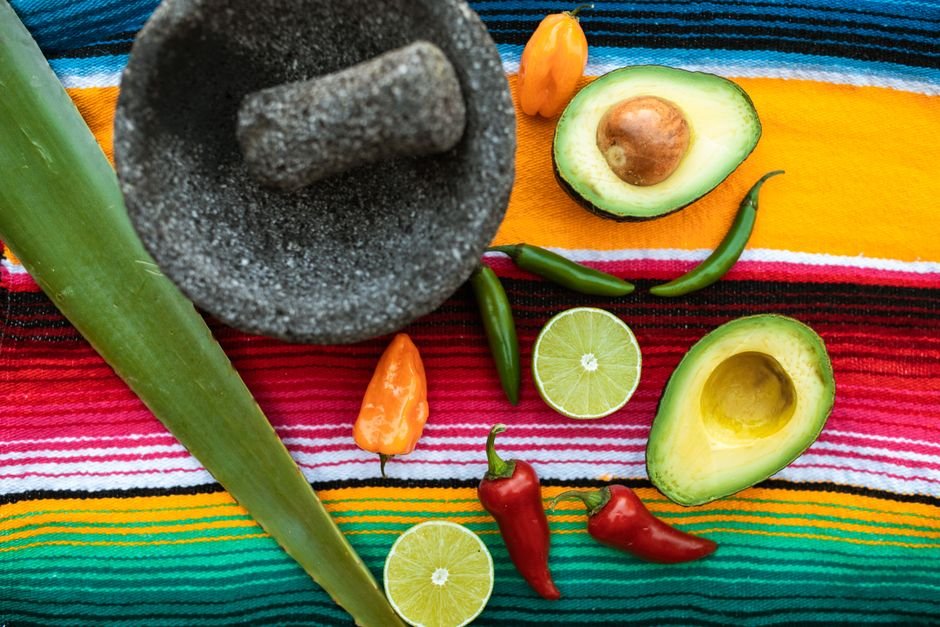
This chili is incredibly versatile at the table. Serve it in deep bowls over a scoop of fluffy white rice or creamy mashed potatoes for a hearty meal. For a fun twist, use it as a topping for baked potatoes, nachos, or even hot dogs. A side of warm cornbread with honey butter is the classic pairing, but crusty sourdough bread works beautifully for soaking up every last drop. For a lighter option, serve alongside a crisp green salad with a lime vinaigrette to cut through the richness.
Nutrition Facts
| Nutrient | Per Serving |
|---|---|
| Calories | 340 cal |
| Protein | 16 g |
| Carbohydrates | 52 g |
| Fat | 7 g |
Frequently Asked Questions
Can I make this vegetarian chili on the stovetop instead of a slow cooker?
Do I have to use three different types of beans?
How do I make this chili less spicy or more kid-friendly?
Can I add meat to this recipe if some family members want it?
Why does my chili taste bland even after cooking for hours?
🍽️ You Might Also Like
Culinary Glossary
Slow Cooker Vegetarian Chili – Rich, Hearty & Effortless
Ingredients
- 2 cans (15 oz each) red kidney beans, drained and rinsed
- 1 can (15 oz) black beans, drained and rinsed
- 1 can (15 oz) pinto beans, drained and rinsed
- 1 can (28 oz) fire-roasted diced tomatoes
- 1 can (6 oz) tomato paste
- 1 large yellow onion, diced
- 3 cloves garlic, minced
- 1 red bell pepper, diced
- 1 green bell pepper, diced
- 1 cup vegetable broth (low sodium)
- 2 tablespoons olive oil
- 2 tablespoons chili powder
- 1 tablespoon ground cumin
- 1 teaspoon smoked paprika
- 1 teaspoon dried oregano
- 1 tablespoon soy sauce
- 1 teaspoon brown sugar
- ½ teaspoon cayenne pepper (optional)
- Salt and black pepper to taste
- Fresh cilantro, avocado, sour cream, shredded cheese for garnish
Instructions
- Heat olive oil in a skillet over medium heat. Add chili powder, cumin, smoked paprika, and oregano. Stir for 60–90 seconds until fragrant.
- Add diced onion and garlic to the skillet. Cook 3–4 minutes until soft and translucent. Remove from heat.
- Add fire-roasted tomatoes, tomato paste, vegetable broth, soy sauce, brown sugar, and cayenne (if using) to the slow cooker.
- Add all three types of drained and rinsed beans and the onion-spice mixture. Stir to combine.
- Stir in diced red and green bell peppers.
- Cover and cook on LOW for 6–8 hours. Do not lift the lid during cooking.
- Taste and adjust seasoning with salt, pepper, and additional cayenne if desired.
- Let rest for 10 minutes off heat. Serve garnished with sour cream, avocado, cilantro, cheese, and lime.

📅 Last Updated
Updated on 2026-06-20 to reflect the latest test-kitchen insights.
🔍 Testing Methodology
Every recipe is developed and tested at least three times in our home kitchen using standard US measuring cups and spoons.
📖 Recipe Source Notes
Inspired by traditional family methods and refined through professional culinary testing.
⚠️ Nutrition Disclaimer
Nutrition is estimated from an ingredient database. Actual values vary with brands and preparation.