Keto Fathead Pizza Recipe — Crispy, Cheesy & Low-Carb
The ultimate guide to making the perfect keto fathead pizza recipe at home.
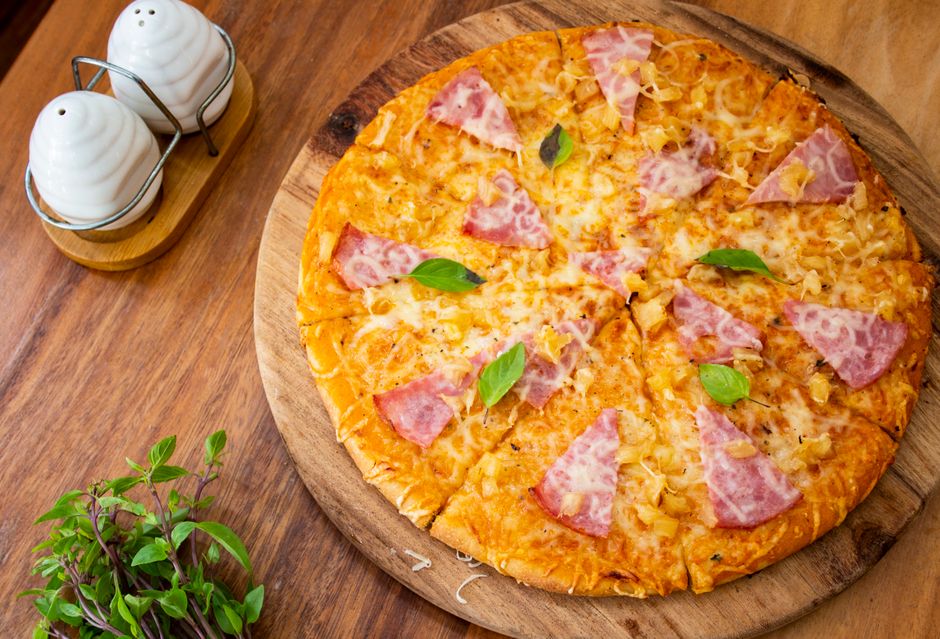
Keto fathead pizza is a low-carb pizza made with a dough of melted mozzarella, cream cheese, almond flour, and egg. It bakes into a crispy, chewy crust with only about 3g net carbs per slice — and it tastes remarkably close to traditional pizza. The entire recipe takes about 30 minutes from start to finish.
If you’ve been missing pizza on a ketogenic diet, this keto fathead pizza recipe is about to change everything. The fathead dough — originally created by the filmmakers behind the documentary “Fat Head” — has become the gold standard for low-carb pizza crusts. It’s made from just a handful of simple ingredients: mozzarella cheese, cream cheese, almond flour, and an egg. When baked, it transforms into a golden, slightly chewy crust that holds up beautifully under your favorite toppings.
What makes this recipe stand out is its versatility and foolproof technique. Whether you’re a seasoned keto veteran or just starting your low-carb journey, you’ll find this dough incredibly easy to work with. No yeast, no rising time, no complicated kneading — just melt, mix, roll, and bake. In this guide, you’ll learn every detail from selecting the right cheese to achieving the perfect crispy edge, along with pro tips, variations, and answers to the most common questions home cooks ask.
Pros
- Only 3g net carbs per slice — fully keto-compliant
- Ready in 30 minutes with no yeast or rising time
- Uses just 5 core ingredients you likely already have
- Crust is sturdy enough for heavy toppings without getting soggy
- Naturally gluten-free and grain-free
- Freezes beautifully for quick weeknight meals
Cons
- Higher in calories and saturated fat than cauliflower crust
- Can become rubbery if the cheese isn’t melted properly
- Not suitable for those with dairy allergies
- Almond flour can be expensive in some regions
✅ This recipe was last tested and validated by our test kitchen on 2026-06-17.
Key Takeaways
- Use low-moisture, full-fat mozzarella — pre-shredded cheese won’t melt properly
- Microwave the cheese mixture in 30-second intervals to avoid overcooking
- Roll the dough between two sheets of parchment paper to prevent sticking
- Pre-bake the crust for 6–7 minutes before adding toppings for maximum crispiness
- Let the pizza rest for 2 minutes after baking so the cheese sets
- Store leftovers in the fridge for up to 4 days or freeze for up to 3 months
Ingredients
To make this authentic keto fathead pizza recipe you will need the following fresh ingredients:
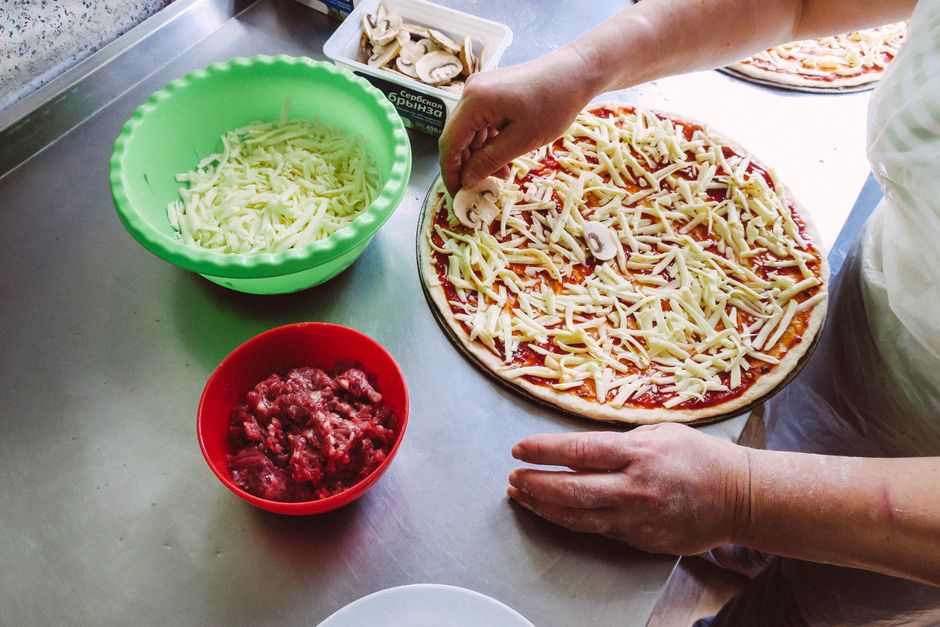
Everything you need for keto fathead pizza recipe
🛒 Shop Key Ingredients
| Ingredient | Why You Need It | Buy |
|---|---|---|
| Low-moisture shredded mozzarella | Creates the stretchy, golden crust base — low-moisture melts smoother than fresh | Check Price |
| Full-fat cream cheese | Adds pliability and richness to the fathead dough | Check Price |
| Blanched almond flour | Provides structure and a bread-like texture without the carbs | Check Price |
| Low-carb marinara sauce | Traditional sauce adds too much sugar — use a keto-friendly version | Check Price |
Kitchen Equipment
| Tool | Why You Need It | Buy |
|---|---|---|
| Microwave-safe bowl | For melting the mozzarella and cream cheese together evenly | Check Price |
| Rolling pin | To roll the dough evenly between parchment sheets | Check Price |
| Parchment paper (2 sheets) | Prevents the sticky dough from adhering to surfaces | Check Price |
| Pizza stone or baking sheet | A preheated stone gives the crispiest bottom crust | Check Price |
| Pizza cutter or sharp knife | For clean slices without dragging toppings | Check Price |
Step-by-Step Instructions
Follow these steps exactly for perfect keto fathead pizza recipe every time.
Preparation
Set your oven to 425°F (220°C). If using a pizza stone, place it on the middle rack now so it preheats with the oven. This ensures a crispy bottom crust from the moment the dough hits the surface.
Combine 1½ cups shredded mozzarella and 2 oz cream cheese in a large microwave-safe bowl. Microwave on high for 60 seconds, stir, then microwave for another 30 seconds. The mixture should be smooth and fully melted with no lumps. Stir vigorously until it forms a uniform, stretchy mass.
Add the ¾ cup almond flour, egg, garlic powder, Italian seasoning, and sea salt to the melted cheese mixture. Stir with a spatula until a shaggy dough forms. Then use your hands to knead the dough in the bowl for 1–2 minutes until it becomes smooth, pliable, and slightly tacky but not sticky. If it’s too sticky, wet your hands lightly with water.
Place the dough between two large sheets of parchment paper. Using a rolling pin, roll it out to about ¼-inch thickness in your desired shape — round for a classic pizza or rectangular for a sheet-pan style. Aim for even thickness throughout to prevent thin spots from burning. Peel off the top parchment sheet carefully.
Cooking
Slide the dough (still on the bottom parchment) onto your preheated pizza stone or baking sheet. Bake at 425°F for 6–7 minutes until the edges turn golden and the surface looks set and slightly puffed. This pre-bake step is essential — it creates a firm base that won’t get soggy under the toppings.
Remove the crust from the oven. Spread the ¼ cup low-carb marinara evenly over the surface, leaving a ½-inch border for the crust. Sprinkle the ½ cup shredded mozzarella over the sauce, then arrange pepperoni slices or your preferred toppings. Keep toppings light — too many will weigh down the thin crust.
Return the pizza to the oven and bake for an additional 5–6 minutes, or until the cheese is fully melted, bubbly, and starting to develop golden-brown spots. Watch closely during the last minute to avoid burning the edges.
Remove the pizza from the oven and let it rest on the stone or baking sheet for 2 minutes. This allows the cheese to set slightly so slices hold together cleanly. Garnish with fresh basil leaves, slice with a pizza cutter, and serve immediately.
Chef’s Secrets
- Use block mozzarella, not pre-shredded: Pre-shredded cheese contains anti-caking agents that prevent it from melting smoothly. Shredding your own from a block gives you a far superior, stretchier dough.
- Don’t skip the pre-bake: Baking the bare crust for 6–7 minutes before adding toppings is the single most important step for achieving a crispy, non-soggy result. It sets the structure so moisture from the sauce can’t penetrate.
- Keep toppings dry: Wet vegetables like fresh tomatoes or mushrooms release moisture during baking. If using them, pat them dry with paper towels or pre-cook them to evaporate excess water.
- Work quickly with warm dough: Fathead dough becomes harder to roll as it cools. If it starts to stiffen, microwave the entire dough ball for 10–15 seconds to soften it again.
- Try a garlic butter brush: For extra flavor, brush the crust edges with melted butter mixed with minced garlic and a pinch of Italian seasoning right when the pizza comes out of the oven.
Storage
Allow leftover pizza slices to cool completely to room temperature before storing. Place them in a single layer in an airtight container or wrap individually in parchment paper and then foil. Refrigerated slices stay fresh for up to 4 days. Avoid stacking slices directly on top of each other without parchment between them, as the cheese will fuse together.
Freezing
This keto fathead pizza recipe freezes exceptionally well. For best results, freeze individual slices on a parchment-lined baking sheet for 1 hour (flash-freeze), then transfer the frozen slices to a zip-lock freezer bag with as much air removed as possible. They’ll keep for up to 3 months. You can also freeze the rolled-out raw dough between parchment sheets — just add 2–3 extra minutes to the pre-bake time when cooking from frozen.
Reheating
The best way to reheat keto fathead pizza is in a skillet over medium-low heat with a lid on for 3–4 minutes. This method re-crisps the bottom crust while melting the cheese evenly. Alternatively, use an air fryer at 350°F for 3–4 minutes. Avoid the microwave if possible — it tends to make the crust rubbery and the cheese unevenly melted.
Variations
- Spicy: Add red pepper flakes to the dough, use pepperoni with calabrian chili spread, and top with sliced jalapeños and a drizzle of hot honey after baking.
- Creamy: Swap the marinara for an Alfredo-style base made with heavy cream, parmesan, and garlic. Top with grilled chicken, spinach, and sun-dried tomatoes.
- Vegan: Replace mozzarella with a vegan mozzarella shred (like Miyoko’s), use coconut cream instead of cream cheese, and substitute the egg with a flax egg (1 tablespoon ground flaxseed + 3 tablespoons water, rested 5 minutes).
- High-Protein: Add 2 tablespoons of unflavored collagen peptides to the dough for an extra 10g protein per serving. Top with grilled chicken, turkey pepperoni, and an extra sprinkle of parmesan.
Substitutions
If you can’t find almond flour, coconut flour can be used as a substitute — but you’ll need only ¼ cup (about one-third the amount) since coconut flour absorbs significantly more moisture. For a dairy-free version, vegan cream cheese and vegan mozzarella work, though the texture will be slightly less stretchy. If you’re allergic to eggs, a flax egg or chia egg works as a binder. For the marinara, any sugar-free pizza sauce or even a pesto base makes a delicious alternative.
Common Mistakes
The most common mistake is using pre-shredded bagged mozzarella, which contains cellulose and doesn’t melt into a smooth dough. Another frequent error is skipping the pre-bake step, which leads to a soggy, undercooked center. Rolling the dough too thin (less than ⅛ inch) causes it to crack and burn, while too thick (more than ½ inch) makes it bready and heavy. Finally, overloading with toppings is tempting but will prevent the thin crust from crisping properly — less is more with fathead pizza.
Serving Suggestions
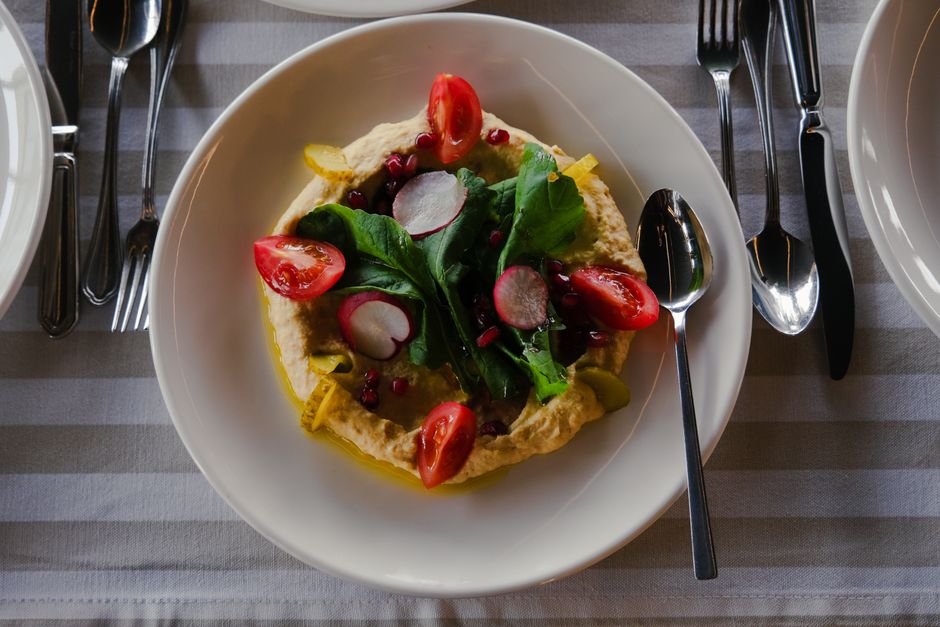
Serve this keto fathead pizza recipe alongside a simple arugula salad dressed with lemon juice, olive oil, and shaved parmesan for a fresh, peppery contrast to the rich, cheesy pizza. For a heartier meal, pair it with roasted broccoli tossed in garlic butter or a cup of keto-friendly minestrone soup. If you’re entertaining, cut the pizza into small squares for appetizer-style bites and serve with a side of warm marinara for dipping. A crisp sparkling water with lemon or a dry red wine complements the flavors beautifully.
Nutrition Facts
| Nutrient | Per Serving |
|---|---|
| Calories | 320 |
| Protein | 18g |
| Carbohydrates | 5g |
| Fat | 25g |
Frequently Asked Questions
Why is my fathead pizza dough crumbly or falling apart?
Can I make fathead pizza dough ahead of time?
Is fathead pizza dough really keto-friendly?
What’s the best cheese to use for fathead dough?
Can I cook fathead pizza in an air fryer?
🍽️ You Might Also Like
Culinary Glossary
Keto Fathead Pizza Recipe — Crispy, Cheesy & Low-Carb
Ingredients
- 1½ cups shredded low-moisture mozzarella cheese
- 2 oz (¼ cup) full-fat cream cheese
- ¾ cup blanched almond flour
- 1 large egg
- ½ teaspoon garlic powder
- ½ teaspoon Italian seasoning
- ¼ teaspoon sea salt
- ¼ cup low-carb marinara or pizza sauce
- ½ cup shredded mozzarella (for topping)
- Pepperoni slices or toppings of choice
- Fresh basil leaves (for garnish)
Instructions
- Preheat oven to 425°F (220°C). Place pizza stone or baking sheet inside to preheat.
- Melt 1½ cups mozzarella and cream cheese in the microwave for 60 seconds, stir, then 30 more seconds until smooth.
- Add almond flour, egg, garlic powder, Italian seasoning, and salt. Mix and knead until a smooth, pliable dough forms.
- Roll dough between two sheets of parchment paper to ¼-inch thickness.
- Transfer dough on parchment to the hot stone or baking sheet. Pre-bake for 6–7 minutes until golden.
- Remove from oven. Spread marinara, add mozzarella topping, and arrange pepperoni or desired toppings.
- Bake for an additional 5–6 minutes until cheese is melted and bubbly with golden spots.
- Rest for 2 minutes, garnish with fresh basil, slice, and serve.

📅 Last Updated
Updated on 2026-06-17 to reflect the latest test-kitchen insights.
🔍 Testing Methodology
Every recipe is developed and tested at least three times in our home kitchen using standard US measuring cups and spoons.
📖 Recipe Source Notes
Inspired by traditional family methods and refined through professional culinary testing.
⚠️ Nutrition Disclaimer
Nutrition is estimated from an ingredient database. Actual values vary with brands and preparation.