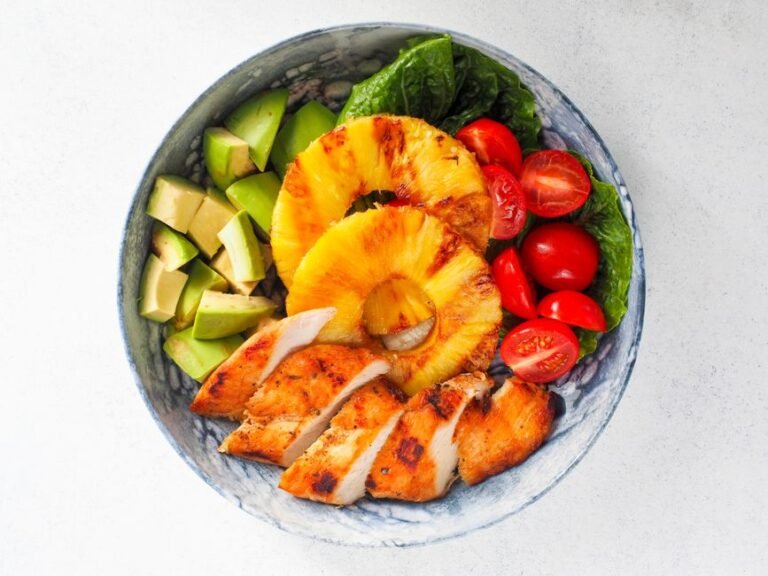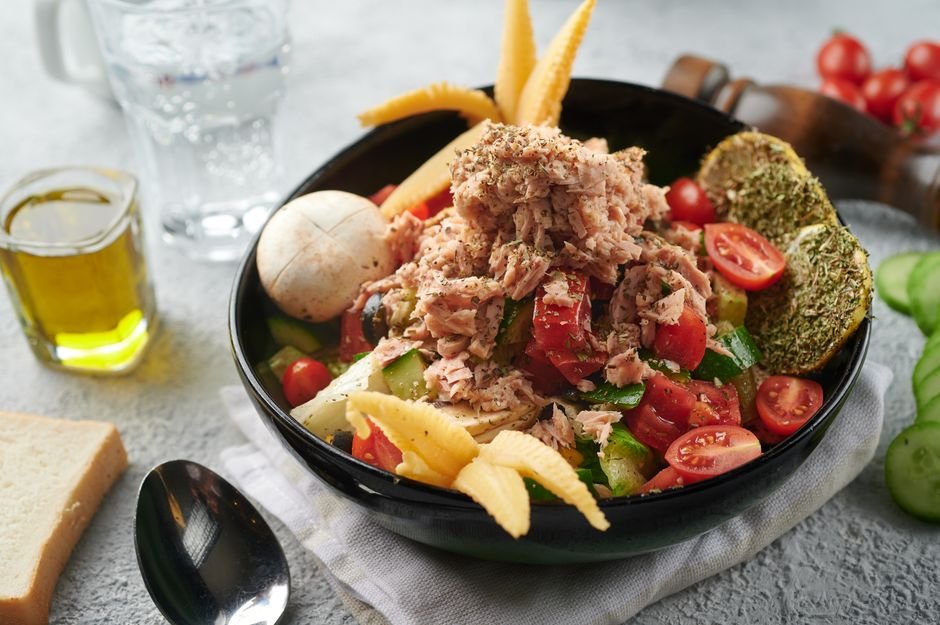
High Protein Tuna Salad
The ultimate guide to making the perfect high protein tuna salad at home.
High protein tuna salad is a quick, no-cook meal made by combining canned tuna with Greek yogurt, fresh herbs, and crunchy vegetables. It delivers over 30 grams of protein per serving in under 10 minutes, making it perfect for meal prep, post-workout lunches, or a light dinner.
High protein tuna salad has earned its place as a staple in healthy kitchens everywhere. Whether you are meal prepping for the week, looking for a post-workout meal that actually tastes good, or simply need something fast and satisfying for lunch, this recipe delivers on every front. The combination of flaky tuna, creamy Greek yogurt, and crisp vegetables creates a texture and flavor profile that rivals any deli-style salad while packing significantly more protein and far fewer calories.
What sets this version apart from traditional tuna salad is the smart swap of mayonnaise for Greek yogurt, which nearly doubles the protein content while cutting saturated fat. A handful of fresh dill, a squeeze of lemon, and finely diced celery and red onion add brightness and crunch. The result is a versatile dish that works beautifully on its own, stuffed into pitas, spooned over greens, or spread on crackers. Read on for every detail you need to master this recipe, plus expert tips to make it even better.
Pros
- Packs over 32 g of protein per serving using simple whole-food ingredients
- Ready in under 10 minutes with zero cooking required
- Excellent for meal prep and stays fresh in the fridge for up to 4 days
- Highly customizable with endless variation options
- Budget-friendly and uses pantry staples you likely already have
- Low in carbohydrates and suitable for keto and low-carb diets
Cons
- Canned tuna contains trace mercury, so moderation is advised for pregnant women
- Not suitable for those with fish or seafood allergies
- Can become watery if stored too long without draining tuna thoroughly
✅ This recipe was last tested and validated by our test kitchen on 2026-06-29.
Key Takeaways
- Always drain canned tuna extremely well to prevent a watery salad
- Use full-fat Greek yogurt for the creamiest texture and best flavor
- Let the salad chill for at least 15 minutes before serving to allow flavors to meld
- Finely dice vegetables so every bite has an even distribution of crunch
- Fresh lemon juice is essential — bottled lemon juice lacks brightness
- Store in an airtight glass container to maintain freshness for up to 4 days
Ingredients
To make this authentic high protein tuna salad you will need the following fresh ingredients:
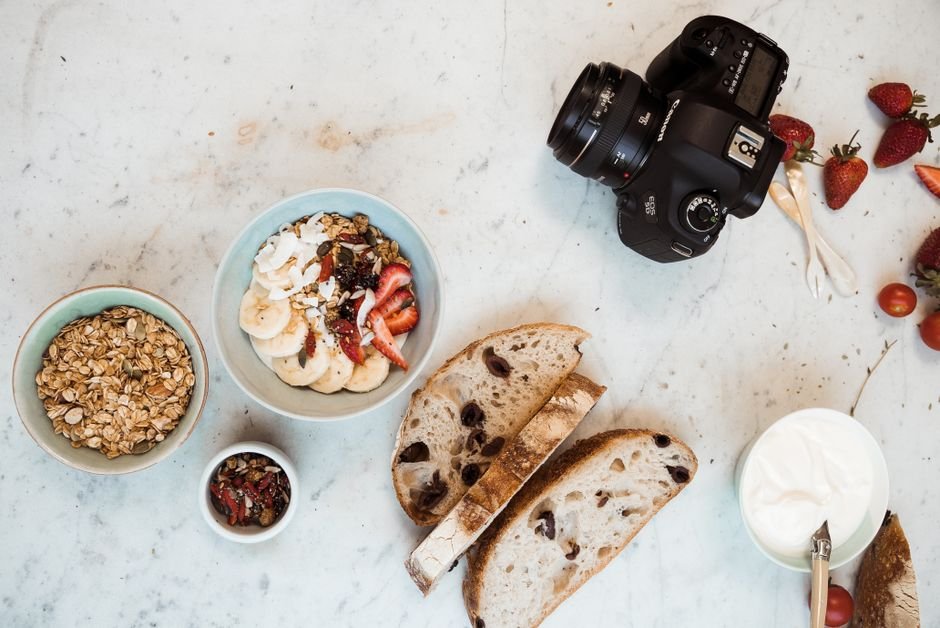
Everything you need for high protein tuna salad
🛒 Shop Key Ingredients
| Ingredient | Why You Need It | Buy |
|---|---|---|
| Canned tuna in water | The protein backbone of the recipe — choose pole-caught for best quality | Check Price |
| Plain Greek yogurt | Replaces mayo for a creamy texture with nearly double the protein | Check Price |
| Fresh dill | Adds a bright, herbaceous flavor that elevates the entire dish | Check Price |
| Dijon mustard | Provides tang and depth that ties all the flavors together | Check Price |
Kitchen Equipment
| Tool | Why You Need It | Buy |
|---|---|---|
| Mixing bowl | A medium bowl gives you plenty of room to fold ingredients without spilling | Check Price |
| Can opener | Essential for opening the tuna cans cleanly and safely | Check Price |
| Chef’s knife | A sharp knife ensures fine, even dicing of celery and onion | Check Price |
| Rubber spatula | Perfect for folding yogurt into tuna without breaking the flakes | Check Price |
Step-by-Step Instructions
Follow these steps exactly for perfect high protein tuna salad every time.
Preparation
Open all three cans of tuna and press the lid firmly against the flesh to squeeze out as much water as possible. Transfer the drained tuna to a medium mixing bowl and flake it apart gently with a fork, leaving some larger chunks for texture.
Finely dice the celery stalks and red onion into pieces no larger than 1/4 inch. Small, uniform pieces ensure even distribution throughout the salad so every bite has the right balance of crunch and creaminess.
Chop the fresh dill finely and juice half a lemon to yield approximately 1 tablespoon of fresh lemon juice. Remove any seeds before adding the juice to the bowl.
Cooking
Add the Greek yogurt, Dijon mustard, fresh lemon juice, garlic powder, sea salt, and black pepper to the bowl with the tuna. Stir gently with a rubber spatula until all the tuna is evenly coated and the mixture looks creamy and uniform.
Add the diced celery, red onion, and chopped dill to the bowl. Fold everything together gently so the vegetables distribute evenly without mashing the tuna flakes. Taste and adjust salt, pepper, or lemon juice as needed.
Cover the bowl with a lid or plastic wrap and refrigerate for at least 15 minutes to allow the flavors to meld together. Serve chilled over mixed greens, stuffed into pita bread, or with whole grain crackers.
Chef’s Secrets
- Press, don’t just drain: Pressing the tuna against the can lid removes significantly more liquid than simply pouring off the water, preventing a soggy final salad.
- Full-fat yogurt is non-negotiable: Low-fat or non-fat Greek yogurt can turn watery when mixed. Full-fat yogurt stays creamy and delivers the best mouthfeel.
- Soak the red onion: If raw red onion is too sharp for your taste, soak the diced onion in ice water for 5 minutes, then drain. This mellows the bite while keeping the crunch.
- Make it the night before: Tuna salad actually improves after a few hours in the fridge as the flavors develop. It is one of the rare dishes that tastes better on day two.
- Add a crunch factor: For extra texture, fold in a tablespoon of toasted sunflower seeds or chopped walnuts just before serving.
Storage
Transfer the tuna salad to an airtight glass container and store it in the refrigerator for up to 4 days. Glass containers are preferred over plastic because they do not absorb odors and keep the salad tasting fresher for longer. Stir the salad before each serving to redistribute any liquid that may have settled at the bottom.
Freezing
Freezing tuna salad is not recommended because the Greek yogurt base tends to separate and become grainy when thawed. The texture of the celery and onion also suffers significantly after freezing. For best results, prepare only what you can consume within 4 days and make fresh batches as needed.
Reheating
High protein tuna salad is designed to be served cold and does not require any reheating. If you prefer a warm variation, you can gently heat the tuna mixture in a skillet over low heat for 2 to 3 minutes, stirring constantly. However, this changes the character of the dish and is not the traditional way to enjoy it.
Variations
- Spicy: Add 1 teaspoon of sriracha or a pinch of cayenne pepper along with the other wet ingredients for a fiery kick that pairs beautifully with the creamy base.
- Creamy: Stir in 2 tablespoons of mashed avocado or an extra dollop of Greek yogurt for an even richer, silkier texture.
- Vegan: Replace the tuna with two cans of drained and mashed chickpeas and use a plant-based yogurt alternative. Add a teaspoon of nori flakes for a subtle ocean flavor.
- High-Protein: Add one chopped hard-boiled egg per serving or mix in a scoop of unflavored collagen peptides for an extra 10 grams of protein per portion.
Substitutions
If you do not have Greek yogurt on hand, cottage cheese blended until smooth makes an excellent substitute with a similar protein profile. Sour cream can also work in a pinch, though it has less protein. For the fresh dill, 1 teaspoon of dried dill can be used, but the flavor will be milder. Celery can be swapped with diced cucumber or water chestnuts for a similar crunch. Red onion can be replaced with shallots or green onion for a gentler allium flavor.
Common Mistakes
The most common mistake when making tuna salad is failing to drain the tuna thoroughly, which results in a watery, diluted final product. Another frequent error is over-mixing, which breaks the tuna into an unappealing paste rather than maintaining flaky, distinct pieces. Using bottled lemon juice instead of fresh is another pitfall — the bright acidity of fresh lemon is essential for balancing the richness of the yogurt. Finally, skipping the resting period means the flavors have not had time to develop, so the salad tastes flat and one-dimensional.
Serving Suggestions
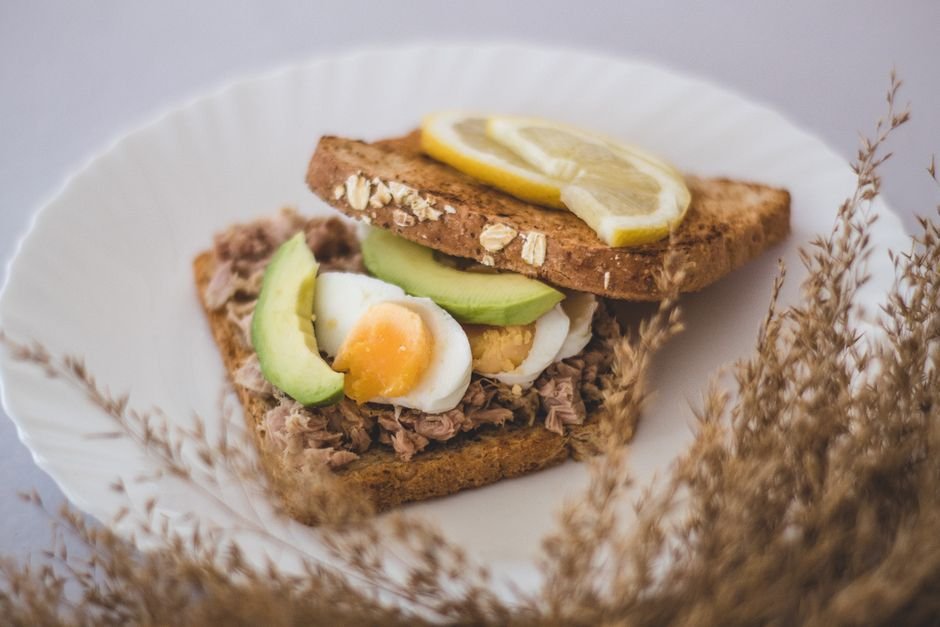
This high protein tuna salad is incredibly versatile and can be served in many ways. Spoon it over a bed of mixed greens with sliced avocado and cherry tomatoes for a complete lunch salad. Stuff it into whole wheat pita halves with shredded lettuce for a handheld meal. Serve it on thick slices of toasted sourdough as an open-faced sandwich, or scoop it up with cucumber rounds and bell pepper strips for a low-carb option. For a more substantial plate, pair it with a cup of lentil soup and a handful of whole grain crackers.
Nutrition Facts
| Nutrient | Per Serving |
|---|---|
| Calories | 285 kcal |
| Protein | 32 g |
| Carbohydrates | 6 g |
| Fat | 14 g |
Frequently Asked Questions
Can I use tuna packed in oil instead of water?
How long does tuna salad last in the fridge?
Is this tuna salad good for weight loss?
Can I make this recipe without Greek yogurt?
What type of tuna is best for tuna salad?
🍽️ You Might Also Like
Culinary Glossary
High Protein Tuna Salad
Ingredients
- 3 cans (5 oz each) tuna in water, drained well
- 1 cup plain full-fat Greek yogurt
- 2 stalks celery, finely diced
- 1/4 cup red onion, finely diced
- 2 tablespoons fresh dill, chopped
- 1 tablespoon fresh lemon juice
- 1 teaspoon Dijon mustard
- 1/4 teaspoon garlic powder
- 1/2 teaspoon sea salt
- 1/4 teaspoon black pepper
Instructions
- Drain tuna thoroughly and flake into a mixing bowl.
- Finely dice celery and red onion into small, uniform pieces.
- Chop fresh dill and juice the lemon.
- Combine tuna with Greek yogurt, Dijon mustard, lemon juice, garlic powder, salt, and pepper.
- Fold in diced celery, red onion, and fresh dill.
- Chill for 15 minutes, then serve and enjoy.
📅 Last Updated
Updated on 2026-06-29 to reflect the latest test-kitchen insights.
🔍 Testing Methodology
Every recipe is developed and tested at least three times in our home kitchen using standard US measuring cups and spoons.
📖 Recipe Source Notes
Inspired by traditional family methods and refined through professional culinary testing.
⚠️ Nutrition Disclaimer
Nutrition is estimated from an ingredient database. Actual values vary with brands and preparation.