One Pan Salmon Dinner — Easy Weeknight Recipe
The ultimate guide to making the perfect one pan salmon dinner at home.
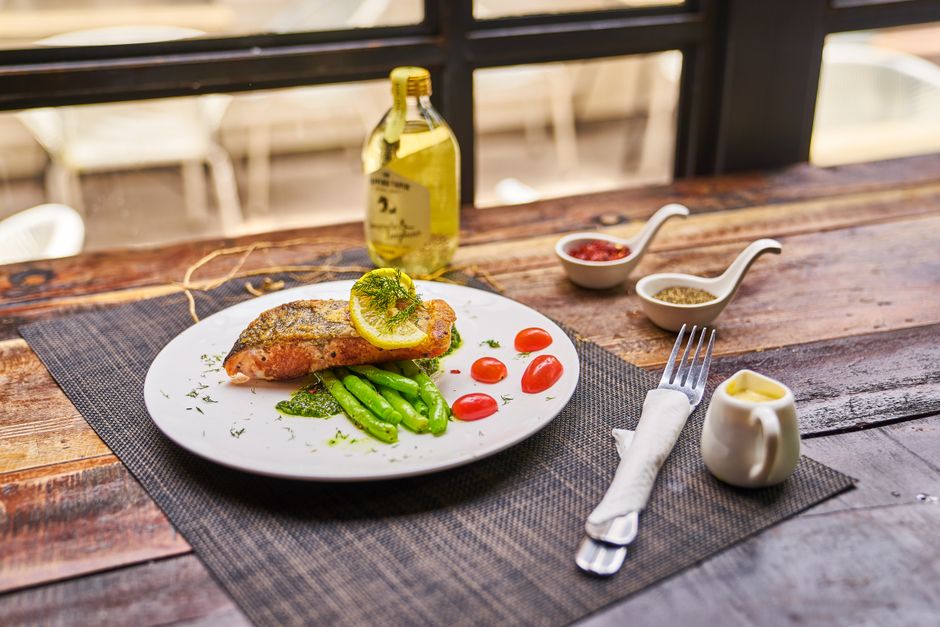
A one pan salmon dinner is a complete meal where salmon fillets and vegetables roast together on a single sheet pan. Simply season everything, arrange on the pan, and bake at 400°F for 15–20 minutes. It’s the fastest way to get a healthy, restaurant-quality dinner on the table with virtually no cleanup.
A one pan salmon dinner is the ultimate solution for busy weeknights when you want something nutritious, flavorful, and fast. By roasting salmon alongside colorful vegetables on a single sheet pan, you create a complete meal that requires minimal prep and even less cleanup. The high heat of the oven caramelizes the vegetables while the salmon stays moist and flaky, delivering restaurant-quality results in your own kitchen.
This recipe is endlessly adaptable — swap in whatever vegetables you have on hand, adjust the seasonings to your taste, and you’ll never get bored. Whether you’re cooking for one or feeding a family, this one pan salmon dinner delivers impressive flavor with almost zero effort. Below you’ll find everything you need to know to master this technique, from selecting the best salmon to achieving the perfect golden crust every single time.
Pros
- Ready in under 30 minutes from start to finish
- Only one pan to clean — minimal dishes
- High in omega-3 fatty acids and lean protein
- Endlessly customizable with different vegetables and seasonings
- Perfect for meal prep and batch cooking
- Restaurant-quality presentation with zero culinary skill required
Cons
- Fresh salmon can be expensive depending on the season and source
- Vegetables and salmon may finish cooking at different times
- Overcooking the salmon is easy if you’re not careful with timing
- Limited browning compared to stovetop searing methods
✅ This recipe was last tested and validated by our test kitchen on 2026-06-17.
Key Takeaways
- Pat salmon completely dry before seasoning for the best crust
- Cut vegetables into uniform sizes so everything cooks evenly
- Preheat your sheet pan in the oven for extra caramelization
- Use a meat thermometer — salmon is done at 145°F internal temperature
- Let salmon rest for 2–3 minutes after baking for juicier results
- Line your pan with parchment paper for truly effortless cleanup
Ingredients
To make this authentic one pan salmon dinner you will need the following fresh ingredients:
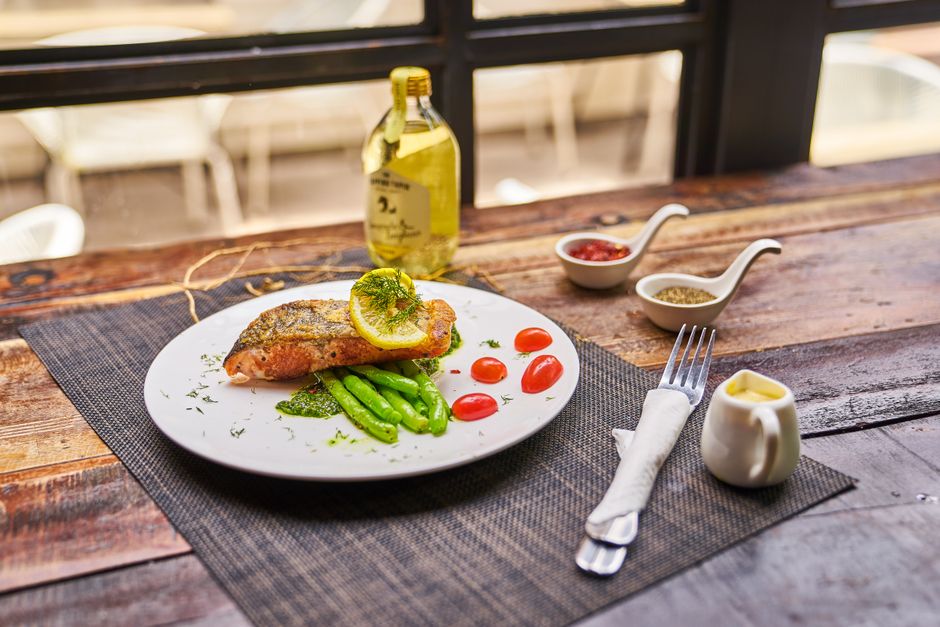
Everything you need for one pan salmon dinner
🛒 Shop Key Ingredients
| Ingredient | Why You Need It | Buy |
|---|---|---|
| Wild-caught salmon fillets | Rich in omega-3s and delivers the best flavor and texture for this dish | Check Price |
| Smoked paprika | Adds a deep, smoky warmth that elevates the entire pan | Check Price |
| Fresh dill | Provides a bright, herbaceous finish that pairs perfectly with salmon | Check Price |
Kitchen Equipment
| Tool | Why You Need It | Buy |
|---|---|---|
| Large rimmed sheet pan | Provides even heat distribution and prevents juices from dripping into the oven | Check Price |
| Parchment paper | Prevents sticking and makes cleanup virtually effortless | Check Price |
| Instant-read thermometer | Ensures salmon reaches the perfect 145°F internal temperature every time | Check Price |
| Pastry brush | Allows even distribution of olive oil across the salmon and vegetables | Check Price |
Step-by-Step Instructions
Follow these steps exactly for perfect one pan salmon dinner every time.
Preparation
Preheat your oven to 400°F (200°C). Line a large rimmed sheet pan with parchment paper. For extra caramelization, place the empty pan in the oven while it preheats.
Toss the halved baby potatoes with 1 tablespoon olive oil, half the minced garlic, smoked paprika, salt, and pepper. Spread them cut-side down on one half of the sheet pan.
Roast the potatoes alone for 10 minutes so they begin to soften before adding the salmon and other vegetables.
While potatoes roast, pat salmon fillets completely dry with paper towels. Brush with remaining olive oil and season with salt, pepper, and red pepper flakes if using.
Toss asparagus and cherry tomatoes with remaining garlic, a drizzle of olive oil, salt, and pepper in a small bowl.
Cooking
Remove the sheet pan from the oven. Push potatoes to one side. Place salmon fillets skin-side down in the center. Arrange asparagus and tomatoes around the salmon. Top salmon with lemon slices.
Return the pan to the oven and roast for 12–15 minutes, or until the salmon flakes easily with a fork and reaches an internal temperature of 145°F.
Remove from oven and let the salmon rest for 2 minutes. Sprinkle generously with fresh dill. Serve immediately with extra lemon wedges on the side.
Chef’s Secrets
- Preheat your sheet pan: A hot pan creates instant contact heat on the potatoes, giving them a golden, crispy exterior that you can’t achieve with a cold pan.
- Pat the salmon bone dry: Moisture is the enemy of a good crust. Use paper towels to thoroughly dry every surface of the fillet before seasoning.
- Cut vegetables to match cook times: Dense vegetables like potatoes should be cut smaller so they finish at the same time as delicate asparagus and salmon.
- Use the finger test: Press the salmon gently with your finger — if it flakes into clean layers, it’s perfectly done. If it feels mushy, give it 2 more minutes.
- Don’t crowd the pan: Leave space between ingredients so steam can escape. Overcrowding leads to soggy vegetables instead of beautifully roasted ones.
Storage
Store leftover one pan salmon dinner in an airtight container in the refrigerator for up to 3 days. Keep the salmon and vegetables together to maintain moisture. Place a paper towel at the bottom of the container to absorb excess condensation and prevent the vegetables from becoming soggy.
Freezing
While this dish is best enjoyed fresh, you can freeze the cooked salmon and vegetables separately in freezer-safe bags for up to 2 months. Remove as much air as possible before sealing to prevent freezer burn. Note that asparagus may lose some of its texture after freezing, so consider using heartier vegetables like broccoli or green beans if you plan to freeze portions.
Reheating
Reheat leftovers in a 300°F oven for 8–10 minutes until warmed through. Avoid the microwave if possible, as it can overcook the salmon and make it rubbery. For best results, splash a teaspoon of water over the salmon and cover the dish loosely with foil to trap steam and keep the fish moist during reheating.
Variations
- Spicy: Add 1 tablespoon of sriracha or harissa paste to the olive oil before brushing on the salmon. Top with sliced jalapeños during the last 5 minutes of roasting.
- Creamy: Drizzle the finished dish with a lemon-dill cream sauce made from Greek yogurt, lemon zest, fresh dill, and a pinch of garlic powder.
- Vegan: Replace salmon with thick slices of extra-firm tofu or marinated portobello mushrooms. Roast for the same amount of time and finish with a tahini-lemon drizzle.
- High-Protein: Add a side of quinoa or white beans to the pan during the last 10 minutes of roasting. You can also increase the salmon portion to 8 oz per person.
Substitutions
Swap baby potatoes for sweet potatoes, fingerling potatoes, or butternut squash cubes. Replace asparagus with broccoli florets, green beans, or zucchini. If fresh dill isn’t available, use 1 teaspoon of dried dill or substitute with fresh parsley or tarragon. For a dairy-free creamy variation, use coconut cream instead of Greek yogurt in the sauce.
Common Mistakes
The most common mistake is overcooking the salmon — it goes from perfectly moist to dry in just a couple of minutes. Always use a thermometer and pull the pan at 145°F. Another frequent error is adding all ingredients to the pan at the same time; potatoes need a head start since they take longer to cook than salmon and asparagus. Finally, skipping the step of patting the salmon dry will result in steamed rather than roasted fish with no golden crust.
Serving Suggestions
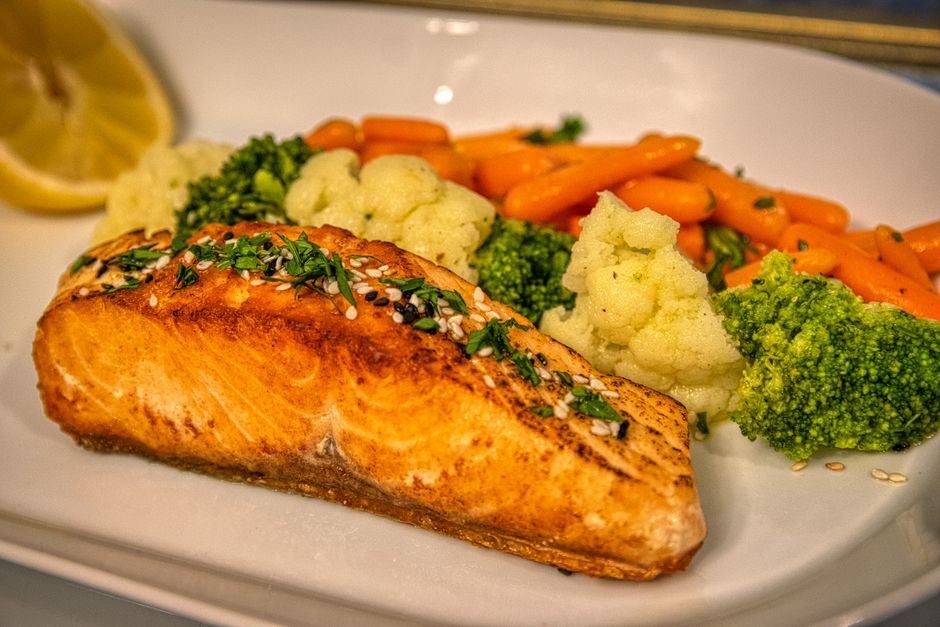
Serve this one pan salmon dinner directly from the sheet pan for a rustic family-style presentation, or plate individually for a more elegant look. Pair with a simple arugula salad dressed in lemon vinaigrette, warm crusty bread for soaking up the pan juices, or a side of fluffy couscous. A crisp white wine like Sauvignon Blanc or Pinot Grigio complements the dish beautifully.
Nutrition Facts
| Nutrient | Per Serving |
|---|---|
| Calories | 420 |
| Protein | 36g |
| Carbohydrates | 22g |
| Fat | 21g |
Frequently Asked Questions
Can I use frozen salmon for this one pan dinner?
What temperature should salmon be cooked to?
Can I make this recipe without parchment paper?
What other vegetables work well in a one pan salmon dinner?
How do I prevent the salmon from sticking to the pan?
🍽️ You Might Also Like
Culinary Glossary
One Pan Salmon Dinner — Easy Weeknight Recipe
Ingredients
- 4 skin-on salmon fillets (6 oz each)
- 1 lb baby potatoes, halved
- 1 bunch asparagus, trimmed
- 1 cup cherry tomatoes
- 3 tablespoons extra-virgin olive oil
- 4 cloves garlic, minced
- 1 lemon, sliced into rounds
- 2 tablespoons fresh dill, chopped
- 1 teaspoon smoked paprika
- ½ teaspoon red pepper flakes (optional)
- Salt and freshly ground black pepper to taste
Instructions
- Preheat oven to 400°F. Line a sheet pan with parchment paper.
- Toss potatoes with 1 tablespoon olive oil, half the garlic, paprika, salt, and pepper. Spread cut-side down on the pan and roast for 10 minutes.
- Pat salmon dry, brush with olive oil, and season with salt, pepper, and red pepper flakes.
- Toss asparagus and tomatoes with remaining garlic, olive oil, salt, and pepper.
- Remove pan from oven. Place salmon skin-side down in the center. Arrange vegetables around it. Top salmon with lemon slices.
- Roast for 12–15 minutes until salmon reaches 145°F internally and flakes easily.
- Rest for 2 minutes, garnish with fresh dill, and serve immediately.
📅 Last Updated
Updated on 2026-06-17 to reflect the latest test-kitchen insights.
🔍 Testing Methodology
Every recipe is developed and tested at least three times in our home kitchen using standard US measuring cups and spoons.
📖 Recipe Source Notes
Inspired by traditional family methods and refined through professional culinary testing.
⚠️ Nutrition Disclaimer
Nutrition is estimated from an ingredient database. Actual values vary with brands and preparation.