Sheet Pan Pork Tenderloin: Easy Juicy Recipe
The ultimate guide to making the perfect sheet pan pork tenderloin at home.
Sheet pan pork tenderloin is a simple one-pan dish where a seasoned pork roast is baked alongside vegetables at high heat for a caramelized exterior and juicy interior. It takes about 10 minutes of prep and 25 minutes in the oven at 425°F, making it an ideal weeknight dinner for four people.
Sheet pan pork tenderloin is the answer to busy weeknight cooking. This lean, flavorful cut of meat roasts beautifully on a single pan alongside colorful vegetables, creating a complete meal with minimal cleanup. The high-heat roasting method locks in moisture while developing a gorgeous caramelized crust that rivals any restaurant preparation.
Unlike traditional roasting methods that require multiple pots and pans, this approach streamlines dinner into one simple step. The pork tenderloin’s compact shape ensures even cooking, and the vegetables roast alongside it, absorbing the savory juices and seasonings. Whether you are feeding a family of four or meal-prepping for the week, this recipe delivers consistent, impressive results every time.
Pros
- Ready in just 35 minutes from start to finish
- Only one pan to clean after cooking
- Pork tenderloin is a lean, affordable protein
- Vegetables cook simultaneously for a complete meal
- High heat creates beautiful caramelization
- Easy to customize with different seasonings and vegetables
Cons
- Pork tenderloin can dry out if overcooked
- Requires a meat thermometer for best results
- Sheet pan can become overcrowded if not sized properly
- Lean cut has less fat for natural basting
✅ This recipe was last tested and validated by our test kitchen on 2026-06-26.
Key Takeaways
- Always preheat your oven to 425°F for the best sear and roast.
- Pat the pork completely dry before seasoning to ensure proper browning.
- Use a meat thermometer and pull the pork at 140°F internal temperature.
- Let the tenderloin rest for 5 to 10 minutes before slicing to retain juices.
- Cut vegetables into uniform sizes so everything finishes cooking at the same time.
- Toss vegetables in oil and season well — they should never be bland.
Ingredients
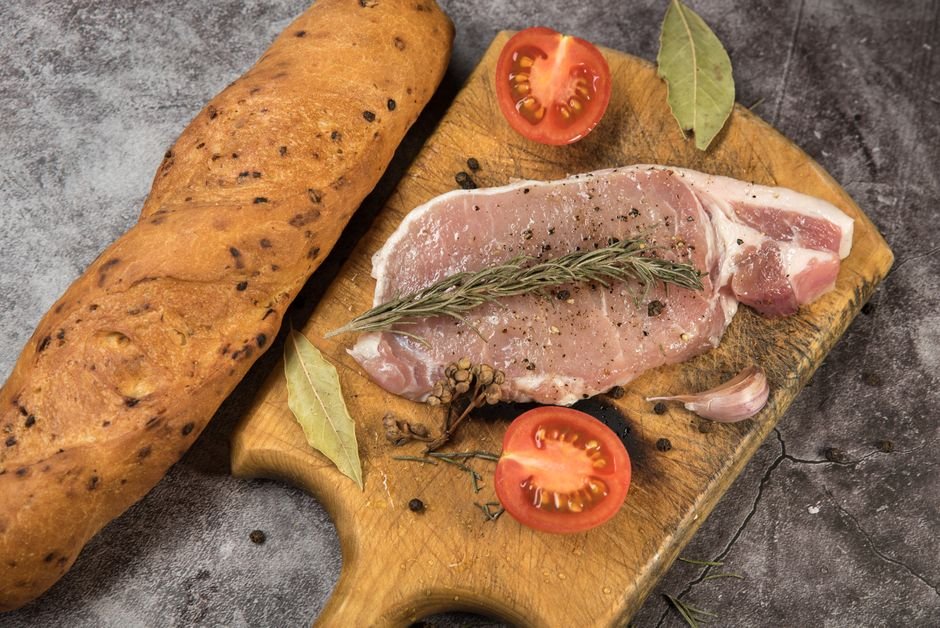
To make this authentic sheet pan pork tenderloin you will need the following fresh ingredients:
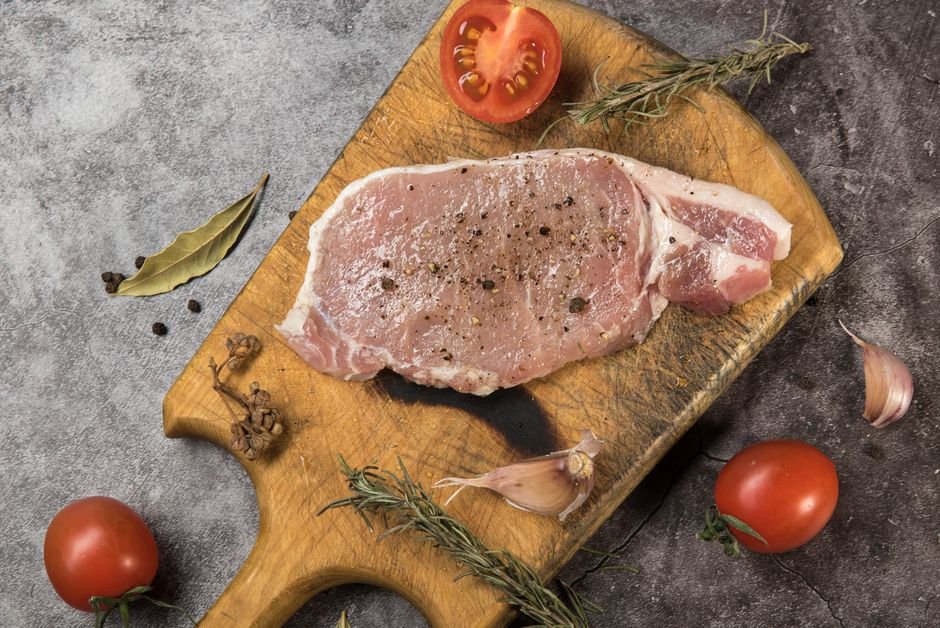
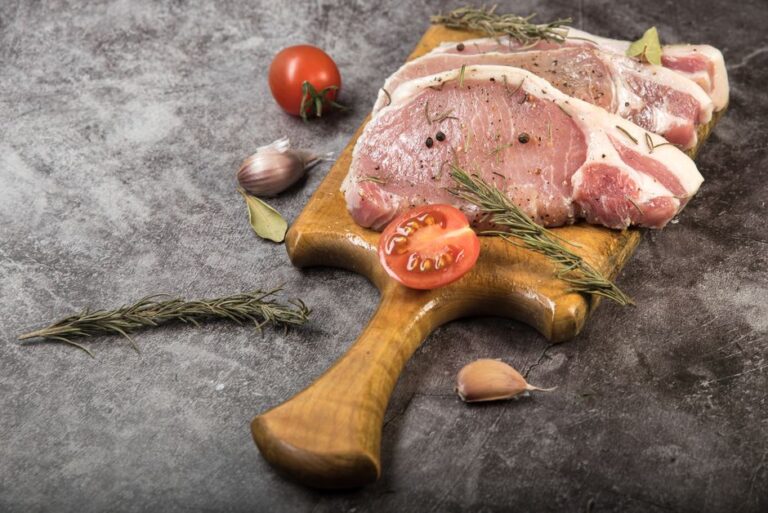
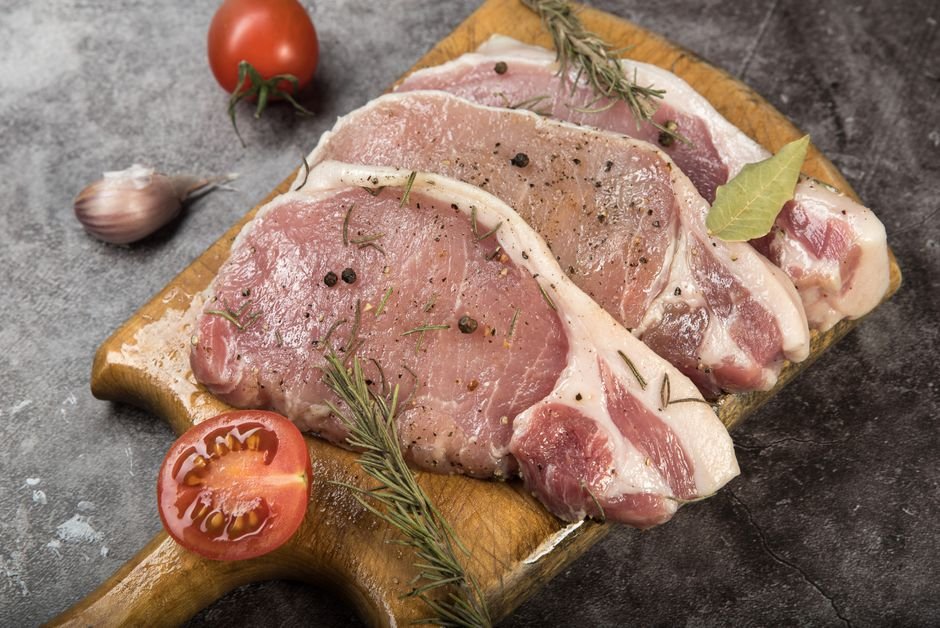
Everything you need for sheet pan pork tenderloin
Shop Key Ingredients
| Ingredient | Why You Need It | Buy |
|---|---|---|
| Pork Tenderloin | Lean, tender cut that cooks quickly and evenly on a sheet pan | Check Price |
| Dijon Mustard | Creates a flavorful base layer that helps the herb crust adhere | Check Price |
| Smoked Paprika | Adds deep, smoky color and warmth without overpowering the pork | Check Price |
| Baby Potatoes | Their small size ensures they roast through in the same time as the pork | Check Price |
| Fresh Rosemary | Earthy aromatic that pairs perfectly with pork and roasted vegetables | Check Price |
Kitchen Equipment
| Tool | Why You Need It | Buy |
|---|---|---|
| Half Sheet Pan (18×13 inch) | Large surface area prevents crowding and ensures proper roasting instead of steaming | Check Price |
| Instant-Read Meat Thermometer | Essential for pulling pork at the perfect 140°F to avoid overcooking | Check Price |
| Parchment Paper or Silicone Mat | Prevents sticking and makes cleanup effortless | Check Price |
| Large Mixing Bowl | For tossing vegetables with oil and seasonings before spreading on the pan | Check Price |
| Sharp Chef’s Knife | Needed for trimming silver skin and cutting uniform vegetable pieces | Check Price |
Step-by-Step Instructions
Follow these steps exactly for perfect sheet pan pork tenderloin every time.
Preparation
Set your oven to 425°F (220°C) and line a large half sheet pan with parchment paper or a silicone baking mat. Place the pan in the oven while it preheats to get a sear on the pork when it hits the hot surface.
Remove the silver skin from the pork tenderloin using a sharp knife. Pat the tenderloin completely dry with paper towels. This step is critical — moisture on the surface prevents browning and creates steam instead of a crust.
In a small bowl, whisk together the Dijon mustard, honey, balsamic vinegar, smoked paprika, chopped rosemary, salt, and pepper. This sweet-and-savory glaze will caramelize beautifully in the high oven heat and create an incredible crust on the pork.
Brush the entire tenderloin with 1 tablespoon of olive oil, then coat it evenly with the mustard glaze mixture. Make sure every surface is covered for maximum flavor. Set aside while you prepare the vegetables.
Halve the baby potatoes, trim and halve the brussels sprouts, cut the red onion into wedges, and smash the garlic cloves. Toss all vegetables in a large bowl with the remaining 1 tablespoon of olive oil, a pinch of salt, and pepper until evenly coated.
Cooking
Carefully remove the hot sheet pan from the oven. Spread the seasoned vegetables in a single layer on one side of the pan, leaving space for the pork. Place the glazed tenderloin on the empty side of the pan. Do not crowd the vegetables — use two pans if needed.
Return the sheet pan to the oven and roast for 20 to 25 minutes. At the 12-minute mark, use a spatula to flip the pork and stir the vegetables for even browning on all sides. The high heat will create caramelized edges on both the meat and vegetables.
Insert an instant-read thermometer into the thickest part of the tenderloin. You are looking for 140°F (60°C) — the temperature will rise another 5°F during resting. If the vegetables need more time, remove the pork and return the vegetables to the oven for an additional 5 minutes.
Transfer the pork tenderloin to a cutting board and tent loosely with aluminum foil. Let it rest for 5 to 10 minutes — this is when the juices redistribute throughout the meat, ensuring every slice is moist and tender. Slice into ½-inch medallions and serve over the roasted vegetables.
Chef’s Secrets
- Use a preheated pan: Placing the pork on a hot sheet pan gives you an instant sear that locks in juices and creates a beautiful brown crust from the very start of cooking.
- Never skip the rest: Cutting into pork tenderloin immediately after roasting will release all the juices onto the board instead of keeping them inside the meat where they belong.
- Uniform vegetable cuts: Cut all vegetables to roughly the same size so they finish roasting at the same time as the pork — no raw potatoes or burnt onions.
- Mustard as a binder: The Dijon mustard does double duty: it adds tangy flavor and acts as an adhesive for the herbs and spices to stick to the pork surface.
- Watch the thermometer, not the clock: Oven temperatures vary, and tenderloin sizes differ. Pull at 140°F internal for perfectly blush, juicy pork every single time.
Storage
Store leftover sheet pan pork tenderloin in an airtight container in the refrigerator for up to 3 to 4 days. Slice the pork only when you are ready to reheat to preserve as much moisture as possible. Keep the roasted vegetables in a separate container or compartment to prevent them from becoming soggy. Place a paper towel under the pork in the container to absorb excess moisture and maintain the best texture during storage.
Freezing
Wrap the cooled pork tenderloin tightly in plastic wrap, then place it inside a freezer-safe bag with as much air removed as possible. Freeze for up to 3 months. The roasted vegetables do not freeze well due to their high water content — they become mushy upon thawing — so prepare fresh vegetables when you plan to serve the frozen pork. Thaw overnight in the refrigerator before reheating gently in a 300°F oven.
Reheating
Reheat slices of pork tenderloin in a 300°F oven for 8 to 10 minutes, covered with foil to prevent drying. Add a tablespoon of chicken broth or water to the pan to create steam and keep the meat moist. Alternatively, reheat slices in a skillet over medium-low heat with a small pat of butter for 2 to 3 minutes per side, which will restore a lightly crisped exterior. Microwave reheating is not recommended as it tends to make the pork rubbery.
Variations
- Spicy: Add ½ teaspoon cayenne pepper and 1 teaspoon chili flakes to the glaze, and swap smoked paprika for chipotle powder for a smoky heat that builds with every bite.
- Creamy: After roasting, drizzle the entire pan with a quick cream sauce made from ¼ cup heavy cream, 1 tablespoon Dijon, and a squeeze of lemon juice, then broil for 2 minutes.
- Vegan: Replace the pork with two blocks of extra-firm tofu pressed and sliced into steaks, marinate in the same glaze, and roast at the same temperature for 30 minutes.
- High-Protein: Serve over a bed of quinoa or add cannellini beans to the sheet pan during the last 15 minutes of roasting to boost the protein content per serving.
Substitutions
If you do not have Dijon mustard, whole-grain mustard or a mix of yellow mustard with a splash of white wine vinegar works well. Fresh rosemary can be swapped for dried rosemary at half the amount, or try thyme or sage for a different herb profile. Baby potatoes can be replaced with sweet potatoes, fingerling potatoes, or cubed butternut squash. Brussels sprouts substitute beautifully with broccoli florets, green beans, or asparagus — just add more delicate vegetables in the last 10 minutes of roasting so they do not overcook.
Common Mistakes
The most common mistake when making sheet pan pork tenderloin is overcrowding the pan, which causes vegetables to steam instead of roast, resulting in soggy, pale produce rather than caramelized, crispy edges. Another frequent error is skipping the step of patting the pork dry — any surface moisture creates a barrier that prevents the Maillard reaction and leaves you with gray, unappetizing meat. Finally, overcooking is the fastest way to ruin this dish; pork tenderloin goes from perfectly juicy to dry and stringy in just a few degrees, so always rely on a thermometer rather than guesswork.
Serving Suggestions
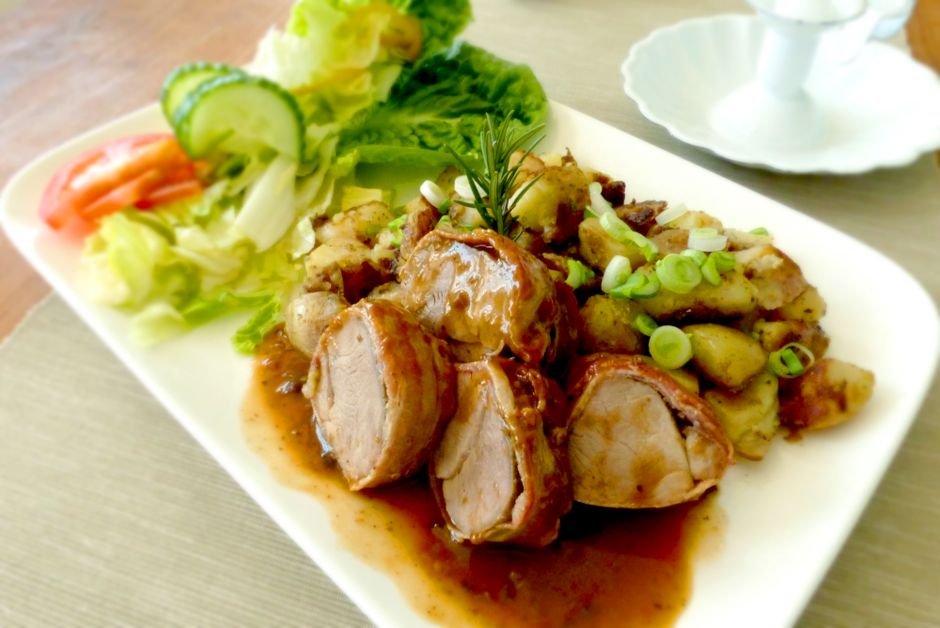
Serve sliced pork tenderloin medallions over the roasted vegetables with a drizzle of the pan juices spooned on top. A side of crusty sourdough bread is perfect for soaking up every drop of the savory balsamic glaze. For a complete dinner table, pair with a simple arugula salad dressed in lemon vinaigrette, or serve alongside creamy mashed potatoes for those who want an extra comforting element. A glass of medium-bodied Pinot Noir or a crisp hard cider complements the sweet-and-savory glaze beautifully.
Nutrition Facts
| Nutrient | Per Serving |
|---|---|
| Calories | 380 |
| Protein | 36g |
| Carbohydrates | 28g |
| Fat | 12g |
Frequently Asked Questions
How do I know when pork tenderloin is fully cooked?
Can I use pork loin instead of pork tenderloin?
What size sheet pan should I use?
Should I cover the pork with foil while roasting?
Can I prep this recipe ahead of time?
🍽️ You Might Also Like
Culinary Glossary
Sheet Pan Pork Tenderloin: Easy Juicy Recipe
Ingredients
- 1 ½ lb pork tenderloin, silver skin removed
- 2 tbsp olive oil, divided
- 1 lb baby potatoes, halved
- 2 cups brussels sprouts, trimmed and halved
- 1 large red onion, cut into wedges
- 4 cloves garlic, smashed
- 2 tbsp Dijon mustard
- 1 tbsp fresh rosemary, chopped
- 1 tsp smoked paprika
- 1 tsp kosher salt
- ½ tsp freshly ground black pepper
- 1 tbsp honey
- 2 tbsp balsamic vinegar
Instructions
- Preheat oven to 425°F. Line a half sheet pan with parchment and place it in the oven to heat.
- Remove silver skin from pork and pat completely dry with paper towels.
- Whisk together Dijon mustard, honey, balsamic vinegar, smoked paprika, rosemary, salt, and pepper to make the glaze.
- Brush pork with 1 tbsp olive oil, then coat evenly with the glaze.
- Toss potatoes, brussels sprouts, onion wedges, and garlic with remaining olive oil, salt, and pepper.
- Spread vegetables on one side of the hot sheet pan; place pork on the other side.
- Roast for 20 to 25 minutes, flipping pork and stirring vegetables at the 12-minute mark.
- Check internal temperature — pull pork at 140°F.
- Rest pork for 5 to 10 minutes, then slice into medallions and serve over roasted vegetables.
📅 Last Updated
Updated on 2026-06-26 to reflect the latest test-kitchen insights.
🔍 Testing Methodology
Every recipe is developed and tested at least three times in our home kitchen using standard US measuring cups and spoons.
📖 Recipe Source Notes
Inspired by traditional family methods and refined through professional culinary testing.
⚠️ Nutrition Disclaimer
Nutrition is estimated from an ingredient database. Actual values vary with brands and preparation.