Vegan Stir Fry Sauce — Quick, Easy & Packed with Flavour
The ultimate guide to making the perfect vegan stir fry sauce at home.
This vegan stir fry sauce comes together in under 10 minutes using pantry staples like soy sauce, rice vinegar, sesame oil, and maple syrup. Whisk everything together, thicken with a quick cornstarch slurry, and you have a glossy, restaurant-quality sauce that clings beautifully to vegetables, tofu, and noodles.
A great stir fry lives and dies by its sauce. The best vegan stir fry sauce balances salty, sweet, sour, and umami notes in a single glossy pour — and it should take less time to make than it takes to chop your vegetables. This recipe delivers exactly that: a deeply savoury, slightly sweet, and perfectly thickened sauce that transforms any combination of vegetables, tofu, or noodles into a restaurant-worthy meal.
Unlike many store-bought stir fry sauces that rely on hidden animal-derived ingredients or excessive preservatives, this homemade version puts you in complete control. Every ingredient is plant-based, the flavour is fully customisable, and the whole thing costs a fraction of a bottled sauce. Whether you are a seasoned vegan or simply looking to add more plant-based meals to your rotation, this is the only stir fry sauce recipe you will ever need.
Pros
- Ready in under 10 minutes with zero cooking required for the base sauce
- Uses affordable pantry staples you likely already have on hand
- Naturally vegan, dairy-free, and easily made gluten-free with tamari
- Customisable heat level, sweetness, and thickness to suit any palate
- Far lower in sodium and sugar than most commercial stir fry sauces
- Stays fresh in the fridge for up to two weeks, making meal prep effortless
Cons
- Contains soy, which is a common allergen — though coconut aminos can substitute
- Cornstarch-thickened sauces can become gummy if overcooked or reheated too aggressively
- Fresh ginger and garlic are strongly recommended; dried substitutes yield noticeably less vibrant flavour
✅ This recipe was last tested and validated by our test kitchen on 2026-06-16.
Key Takeaways
- Always mix the cornstarch with cold liquid before adding to prevent lumps
- Use low-sodium soy sauce or tamari to control saltiness — you can always add more
- Freshly grated ginger and minced garlic make a dramatic difference over powdered versions
- The sauce thickens as it cools, so aim for a slightly thinner consistency than your target when cooking
- A teaspoon of toasted sesame oil added at the end boosts aroma without overpowering
- Double or triple the batch and store in a glass jar for instant weeknight dinners
Ingredients
To make this authentic vegan stir fry sauce you will need the following fresh ingredients:
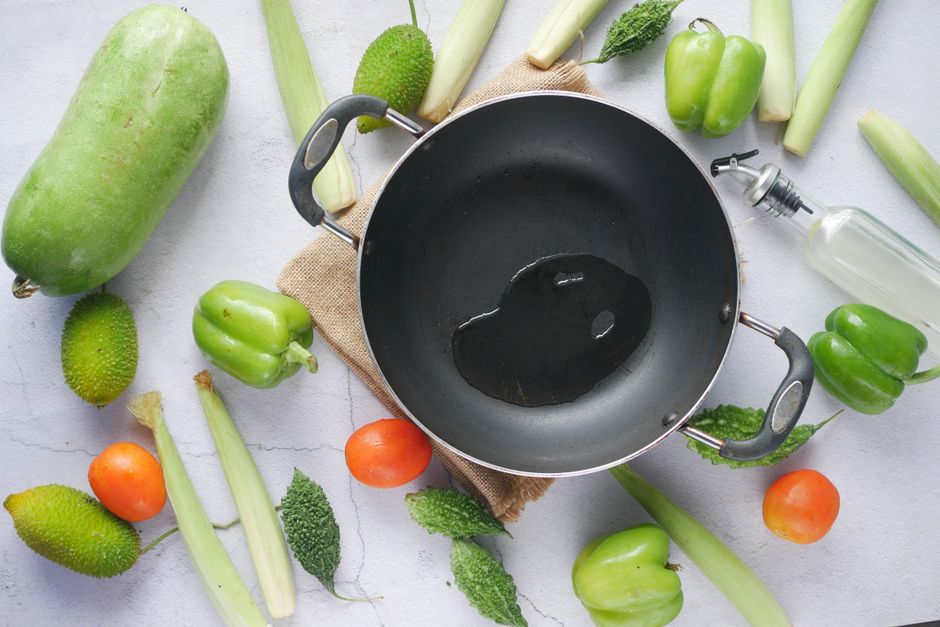
Everything you need for vegan stir fry sauce
🛒 Shop Key Ingredients
| Ingredient | Why You Need It | Buy |
|---|---|---|
| Low-Sodium Soy Sauce | Provides the salty, umami backbone of the sauce without overwhelming it | Check Price |
| Rice Vinegar | Adds bright acidity that balances the sweetness and salt | Check Price |
| Toasted Sesame Oil | Delivers the signature nutty aroma essential to any great stir fry sauce | Check Price |
| Maple Syrup | Natural sweetener that rounds out the sharp edges of soy and vinegar | Check Price |
| Cornstarch | Thickens the sauce to a glossy, clingy consistency without altering flavour | Check Price |
Kitchen Equipment
| Tool | Why You Need It | Buy |
|---|---|---|
| Small Whisk | Ensures the cornstarch slurry blends smoothly without lumps | Check Price |
| Small Saucepan | Ideal for gently heating and thickening the sauce evenly | Check Price |
| Microplane Grater | Produces ultra-fine ginger and garlic for seamless integration into the sauce | Check Price |
| Glass Storage Jar | Keeps the sauce fresh in the fridge for up to two weeks | Check Price |
Step-by-Step Instructions
Follow these steps exactly for perfect vegan stir fry sauce every time.
Preparation
In a small bowl, whisk together 1 tablespoon of cornstarch with 2 tablespoons of cold water until completely smooth. Set aside. Always use cold water — hot water will cause the cornstarch to clump immediately.
In a small saucepan, add the soy sauce, tamari, rice vinegar, maple syrup, toasted sesame oil, minced garlic, grated ginger, and red pepper flakes. Whisk to combine thoroughly.
Cooking
Place the saucepan over medium heat. Bring the mixture to a gentle simmer, stirring occasionally. Let it bubble lightly for about 1 minute to allow the raw garlic and ginger flavour to mellow.
Give the cornstarch slurry one more stir (it settles quickly), then slowly pour it into the simmering sauce while whisking constantly. Continue whisking for 30–60 seconds until the sauce turns glossy and thickens enough to coat the back of a spoon.
Remove from heat. Taste and adjust — add a splash more maple syrup for sweetness, a dash more vinegar for brightness, or a pinch more red pepper flakes for heat. If the sauce is too thick, stir in a tablespoon of vegetable broth or water. Transfer to a glass jar and let cool before storing.
Chef’s Secrets
- Cold slurry, always: Never add cornstarch directly to hot liquid. It will form stubborn lumps instantly. Always dissolve it in cold water first, and stir the slurry again right before pouring because cornstarch settles fast.
- Fresh over powdered: Fresh garlic and ginger contain volatile oils that give the sauce its vibrant, aromatic punch. Powdered versions taste flat and dusty by comparison. A microplane makes quick work of both.
- Layer your soy: Using both soy sauce and tamari creates a deeper, more complex umami flavour than either one alone. The tamari adds a slightly richer, less salty note.
- Thin it out after cooling: Cornstarch-thickened sauces continue to thicken as they cool. Aim for a consistency slightly thinner than your target when you take it off the heat — it will be perfect once it reaches room temperature.
- Finish with a sesame drizzle: For an extra layer of nutty aroma, add an additional ½ teaspoon of toasted sesame oil after removing the sauce from heat. This preserves the volatile flavour compounds that cooking would destroy.
Storage
Allow the sauce to cool completely, then transfer it to a clean glass jar with a tight-fitting lid. Store in the refrigerator for up to 14 days. The flavours actually deepen and meld after a day or two, making the sauce even more delicious on the second or third day. Always use a clean spoon when scooping from the jar to prevent contamination.
Freezing
Pour the cooled sauce into an ice cube tray or small freezer-safe container, leaving a little room for expansion. Freeze for up to 3 months. Note that cornstarch-based sauces can become slightly grainy after freezing — to fix this, simply reheat gently in a saucepan while whisking vigorously, and add a splash of water to restore the glossy texture.
Reheating
Reheat the sauce in a small saucepan over low-medium heat, stirring frequently. If it has thickened too much in the fridge, add a tablespoon of water or vegetable broth to loosen it. Avoid microwaving at high power, as this can cause uneven thickening and hot spots that may make the cornstarch gummy.
Variations
- Spicy: Add 1–2 teaspoons of sriracha or sambal oelek to the base sauce, or increase the red pepper flakes to 1 full teaspoon. For serious heat, include a finely minced fresh bird’s eye chilli.
- Creamy: Stir in 2 tablespoons of smooth peanut butter or cashew butter after removing from heat. This creates a rich, satay-style sauce that is incredible over noodles.
- Vegan: This recipe is already fully vegan. To make it soy-free and fully allergen-friendly, replace both the soy sauce and tamari with coconut aminos.
- High-Protein: Whisk in 1 tablespoon of white miso paste for added protein and a deeper, fermented umami complexity. Reduce the soy sauce slightly to compensate for the extra salt.
Substitutions
If you do not have rice vinegar, apple cider vinegar works well in a pinch, though it has a slightly sharper flavour. Coconut sugar or agave nectar can replace maple syrup at a 1:1 ratio. Arrowstarch or tapioca starch can substitute for cornstarch — use the same amount. For a soy-free version, coconut aminos replaces both soy sauce and tamari, though the flavour will be milder and slightly sweeter, so you may want to add a pinch of salt.
Common Mistakes
The most common mistake is adding cornstarch directly to the hot sauce, which creates lumps that cannot be whisked out. Another frequent error is over-reducing the sauce — remember it thickens as it cools, so pull it off the heat when it still looks slightly loose. Using too much sesame oil is another pitfall; a little goes a long way, and more than 1 tablespoon can overpower every other flavour. Finally, skipping the fresh garlic and ginger in favour of powdered versions will result in a noticeably flatter, less aromatic sauce.
Serving Suggestions
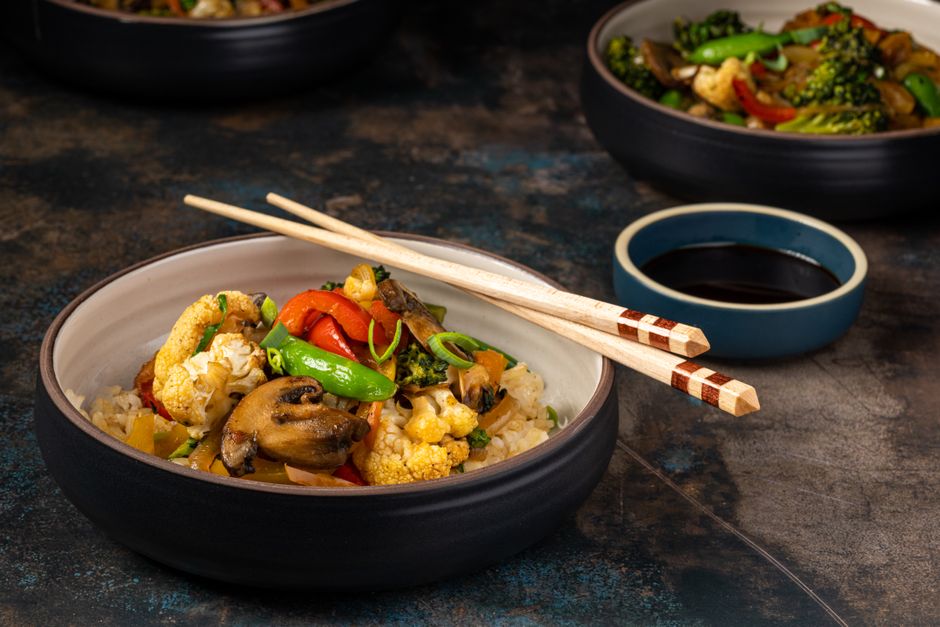
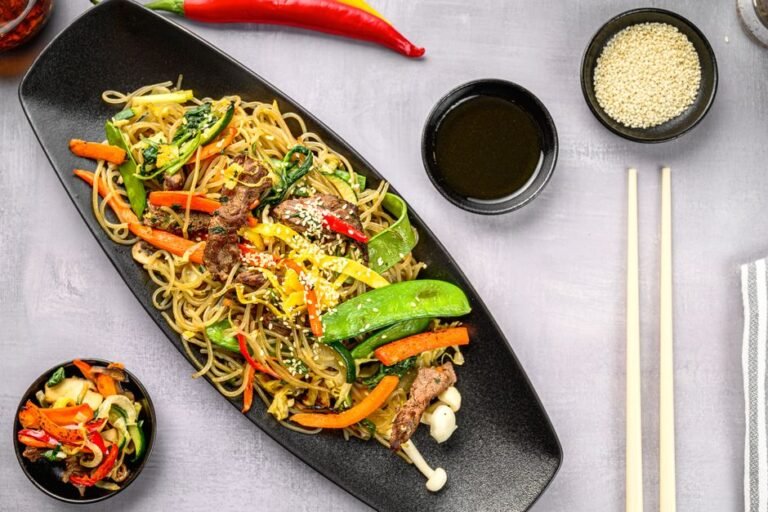
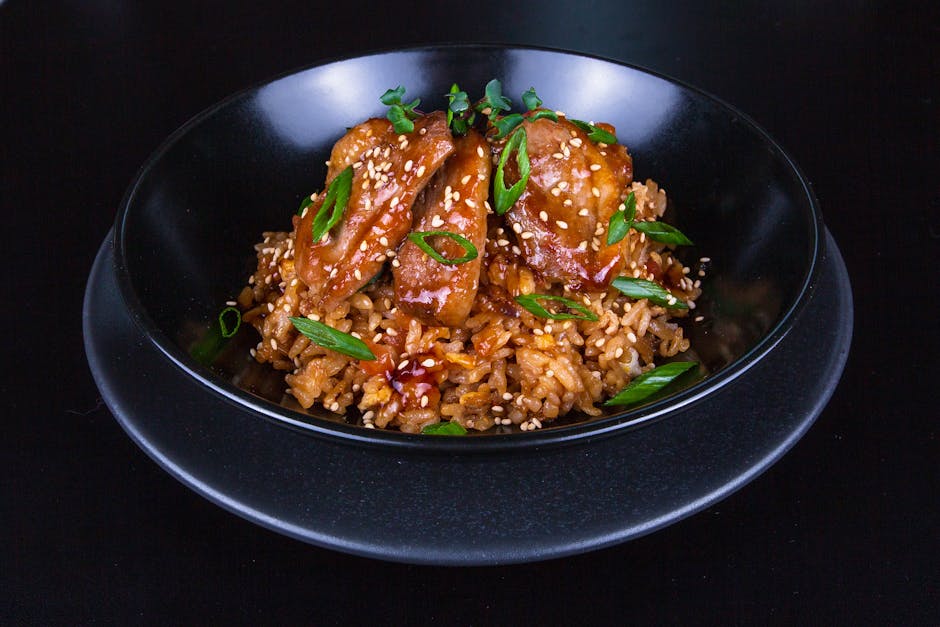
This vegan stir fry sauce is incredibly versatile. Toss it with crispy pan-fried tofu and steamed broccoli over jasmine rice for a classic weeknight bowl. Use it as a glaze for roasted cauliflower or aubergine. Stir it into cooked soba or udon noodles with shredded cabbage and edamame. It also works beautifully as a dipping sauce for spring rolls or dumplings — just leave out the cornstarch slurry for a thinner consistency. For a quick meal, stir-fry whatever vegetables you have on hand — bell peppers, snap peas, carrots, mushrooms, baby corn — and pour the sauce over everything in the last minute of cooking.
Nutrition Facts
| Nutrient | Per Serving |
|---|---|
| Calories | 55 kcal |
| Protein | 1.2 g |
| Carbohydrates | 7.5 g |
| Fat | 2.3 g |
Frequently Asked Questions
Can I make this vegan stir fry sauce without cornstarch?
Is this stir fry sauce gluten-free?
How long does homemade vegan stir fry sauce keep?
Can I use this sauce as a marinade?
What can I use instead of maple syrup?
🍽️ You Might Also Like
Culinary Glossary
Vegan Stir Fry Sauce — Quick, Easy & Packed with Flavour
Ingredients
- 3 tablespoons low-sodium soy sauce (or tamari for gluten-free)
- 2 tablespoons rice vinegar
- 1 tablespoon toasted sesame oil
- 1 tablespoon maple syrup
- 1 tablespoon tamari
- 2 cloves garlic, finely minced
- 1 teaspoon fresh ginger, grated
- 1 tablespoon cornstarch
- 2 tablespoons cold water (for the slurry)
- ½ teaspoon red pepper flakes (adjust to taste)
- 1 tablespoon vegetable broth or water (to loosen if needed)
Instructions
- Whisk cornstarch with 2 tablespoons cold water until smooth. Set aside.
- In a small saucepan, combine soy sauce, tamari, rice vinegar, maple syrup, sesame oil, garlic, ginger, and red pepper flakes. Whisk well.
- Place over medium heat and bring to a gentle simmer for 1 minute.
- Stir the slurry again, then slowly pour into the simmering sauce while whisking constantly. Cook 30–60 seconds until glossy and thickened.
- Remove from heat. Taste and adjust sweetness, acidity, or heat. Thin with broth if needed. Cool and store in a glass jar.

📅 Last Updated
Updated on 2026-06-16 to reflect the latest test-kitchen insights.
🔍 Testing Methodology
Every recipe is developed and tested at least three times in our home kitchen using standard US measuring cups and spoons.
📖 Recipe Source Notes
Inspired by traditional family methods and refined through professional culinary testing.
⚠️ Nutrition Disclaimer
Nutrition is estimated from an ingredient database. Actual values vary with brands and preparation.